
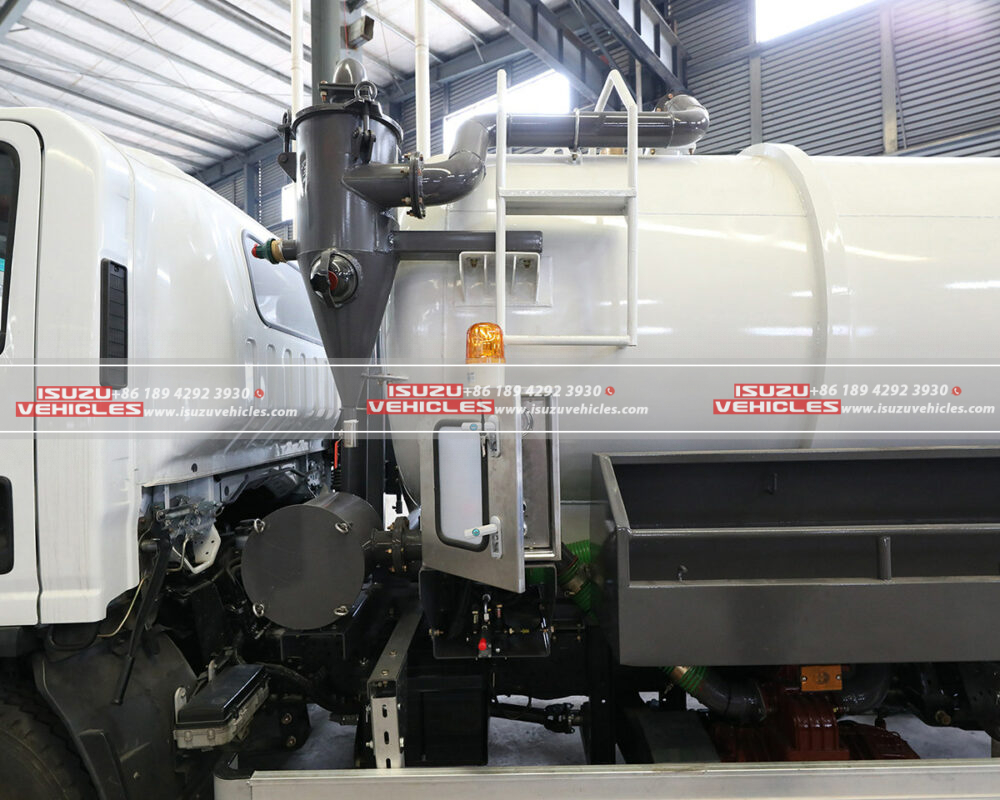
The Critical Frontline – Hazardous Waste and the Vacuum Truck Imperative
The safe and compliant management of hazardous waste represents one of the most demanding challenges within industrial, environmental remediation, and municipal sectors; these materials – encompassing toxic chemicals, flammable solvents, corrosive substances, carcinogenic compounds, and biohazardous agents – pose severe risks to human health, ecosystems, and infrastructure if mishandled during collection, transport, or disposal. As the primary workhorse for extracting and transporting these dangerous liquids and sludges from spill sites, industrial sumps, contaminated soil, or storage tanks, vacuum trucks assume an absolutely pivotal role, functioning as mobile containment systems where mechanical integrity, particularly of critical seals, transcends mere operational efficiency to become a fundamental pillar of environmental protection and worksite safety. A single seal failure during operation can precipitate catastrophic consequences, transforming a routine transfer into an emergency response scenario, underscoring why proactive seal failure prevention is not merely a maintenance task but an indispensable operational philosophy, especially for robust platforms like the ISUZU GIGA truck chassis frequently chosen for its exceptional durability and payload capacity in these high-stakes applications where reliability under extreme conditions is non-negotiable.
Consequences of Compromise – The High Stakes of Seal Failure
Understanding the severe ramifications of seal breaches within hazardous waste vacuum operations is essential for appreciating the necessity of rigorous prevention strategies; a compromised seal, whether on the pump shaft, tank manway, valve stem, or hose connection, immediately breaches the engineered containment barrier. This breach allows highly dangerous contents – volatile organic compounds (VOCs), acidic solutions, or pathogenic materials – to escape into the environment or the operator’s workspace, potentially leading to acute chemical exposures for personnel, triggering respiratory distress, chemical burns, or long-term health effects. Environmentally, uncontrolled releases result in soil contamination, groundwater pollution, and surface water degradation, attracting substantial regulatory penalties from agencies like the EPA or OSHA, alongside costly mandated remediation efforts that can cripple operational budgets. Beyond immediate hazards and regulatory fallout, seal failures inflict significant operational downtime, necessitating emergency shutdowns, complex decontamination procedures for both personnel and equipment, and costly repairs or premature component replacement, directly impacting project timelines and profitability while eroding client trust and potentially damaging the service provider’s reputation within the highly sensitive hazardous waste management market where reliability is paramount.
Engineering Resilience – Proactive Seal Failure Prevention Systems
Mitigating the profound risks associated with seal failure demands a sophisticated, multi-layered engineering approach integrated directly into the vacuum truck’s design, component selection, and operational protocols, moving far beyond reactive fixes to establish robust preventative barriers.
- Advanced Seal Material Science & Design: Selecting seals is not a generic exercise but requires meticulous chemical compatibility analysis. Perfluoroelastomer (FFKM) seals, renowned for exceptional resistance to extreme temperatures and a vast array of aggressive chemicals (including strong acids, bases, ketones, and aromatic hydrocarbons), are often specified for critical high-risk applications, while specialized hydrogenated nitrile (HNBR) or fluoroelastomer (FKM) compounds offer robust performance against oils, fuels, and many solvents where FFKM may be cost-prohibitive; crucially, seal design incorporates features like dual-lipped configurations or spring-energized mechanisms to maintain positive contact pressure even under vacuum-induced shaft deflection or thermal cycling, preventing the micro-leak paths that initiate catastrophic failure. The inherent robustness of the ISUZU GIGA truck chassis provides the stable, vibration-damped platform essential for maximizing the longevity of these precision sealing components.
- Integrated Monitoring & Control Systems: Modern hazardous waste vacuum trucks leverage sophisticated sensor technology as an early warning system. Continuous seal chamber pressure monitoring can detect minute pressure changes indicative of developing seal face wear or lip damage before a visible leak occurs, while temperature sensors at critical bearing and seal points alert operators to overheating caused by excessive friction or dry running – a primary seal killer. Integrating these sensors with the truck’s telematics allows for real-time alerts to the operator’s cab and remote fleet management, enabling immediate intervention before a minor anomaly escalates into a full containment breach.
- Operational Safeguards & Procedures: Engineering excellence must be supported by disciplined operation. Implementing strict pre-operation checklists focusing on seal inspection points, ensuring proper lubrication system function (especially for pump shaft seals where compatible barrier fluid levels and pressure are critical), and enforcing protocols against dry running the vacuum pump are vital. Utilizing appropriately rated hoses and ensuring connection integrity with correctly torqued, compatible fittings prevents leaks at transfer points, completing the containment envelope.
Sustaining Integrity – Rigorous Maintenance as the Cornerstone of Prevention
Even the most advanced seals and monitoring systems will succumb to premature failure without a stringent, proactive maintenance regimen grounded in manufacturer specifications and the harsh realities of hazardous waste service; this demands far more than just reactive repairs. Establishing a predictive maintenance schedule based on rigorous fluid analysis of pump oil or barrier fluids can reveal early signs of internal wear or contamination ingress long before external symptoms appear, allowing for planned interventions during scheduled downtime. Regular, detailed visual inspections of all accessible seals – looking for telltale signs of extrusion, cracking, hardening, swelling, or chemical attack – combined with meticulous cleaning of seal housings to prevent abrasive particle buildup are non-negotiable frontline defenses. Crucially, seal replacement must never be deferred once wear indicators or service intervals are reached; attempting to extend the life of a critical seal in a hazardous environment is a high-risk gamble with potentially disastrous consequences, making timely replacement using OEM-specified components a fundamental investment in safety, compliance, and operational continuity that protects both personnel and the environment from exposure.
The ISUZU Advantage – Reliability Across the Hazardous Waste Fleet Spectrum
The demanding nature of hazardous waste management necessitates partnering with equipment manufacturers whose engineering philosophy prioritizes durability, reliability, and serviceability under punishing conditions; ISUZU’s commitment to robust commercial vehicle platforms translates directly into enhanced vacuum truck performance and seal integrity management. The ISUZU GIGA truck, with its formidable chassis strength, powerful yet efficient engine options, superior suspension systems designed to manage heavy, shifting liquid loads, and exceptional corrosion resistance – a critical factor when dealing with corrosive wastes – provides the ideal, stable foundation for mounting sophisticated vacuum systems handling the most dangerous materials, ensuring that the essential sealing systems operate within their designed parameters without being subjected to excessive chassis flex or vibration that accelerates wear. This inherent robustness extends beyond the heavy-duty sector; smaller-scale hazardous waste tasks, such as collecting waste oil from auto shops, servicing parts washer units, or managing contaminated coolant recovery, often rely on agile ISUZU Pickup based vacuum units. While handling smaller volumes, these applications demand no less diligence regarding seal integrity when dealing with toxic or flammable substances, benefiting equally from ISUZU’s reputation for reliability and the application of the same rigorous seal failure prevention principles – appropriate material selection, disciplined maintenance protocols, and operator training – ensuring consistent, safe, and environmentally sound operations across the entire spectrum of hazardous waste management challenges, protecting communities and workforces one secure seal at a time.