
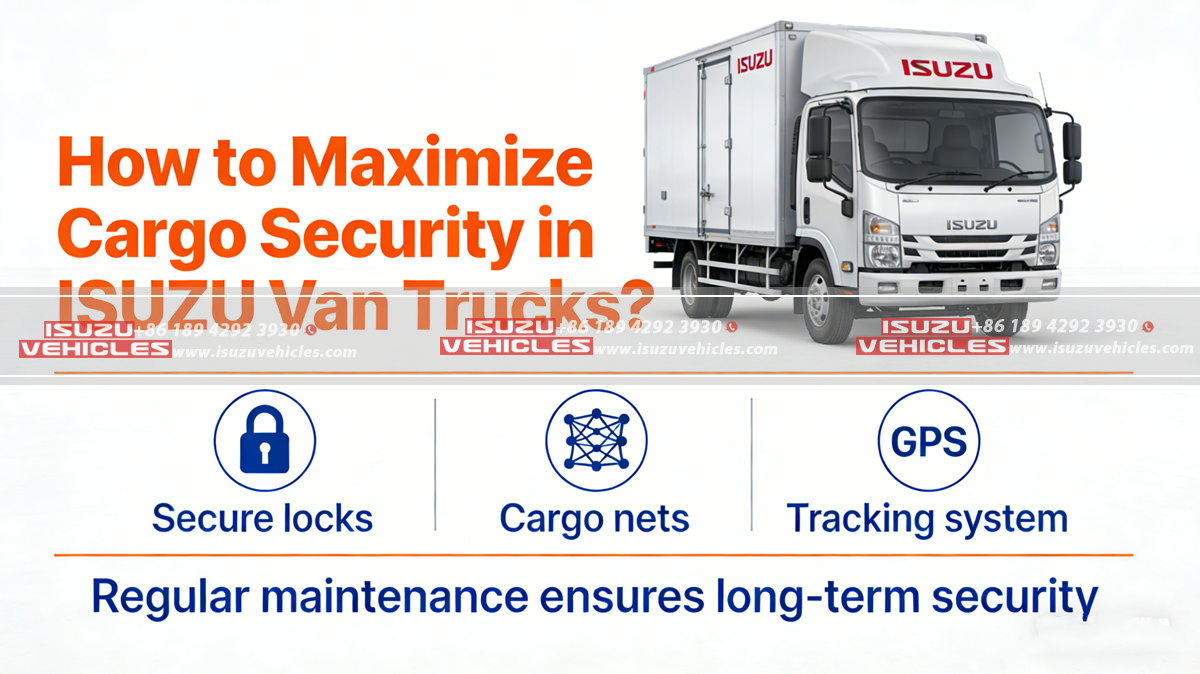
Cargo security has become a defining concern in modern logistics, where rising cargo values, tighter delivery schedules, and increasingly complex transport networks place greater responsibility on operators to protect goods in transit. ISUZU van trucks are widely trusted for their durability and efficiency, yet even the most reliable vehicle requires a deliberate and well-structured approach to cargo security. True protection goes beyond installing locks or alarms; it involves understanding risk exposure, reinforcing physical barriers, applying smart loading practices, and cultivating disciplined operational habits. When these elements are aligned, cargo security becomes a systematic advantage rather than a reactive response to loss or damage.
Understanding Cargo Security Risks in Van Truck Operations
Effective security begins with recognizing where vulnerabilities exist, both during transit and at rest, and how these risks evolve across different operating environments.
Common Threats to Cargo Integrity
Cargo carried in van trucks is exposed to a variety of threats, including theft during unattended stops, forced entry at loading zones, internal shifting that causes damage, and accidental loss resulting from poor door management. Urban delivery routes may present higher risks of opportunistic theft, while long-haul operations face challenges related to overnight parking and extended idle periods. Understanding these threat patterns allows operators to tailor security measures to real-world conditions rather than relying on generic solutions.
Risk Assessment as a Planning Tool
Security planning should be grounded in structured risk assessment, considering cargo value, route characteristics, delivery frequency, and parking locations. High-value or sensitive goods may justify enhanced mechanical and electronic protection, while lower-risk cargo still benefits from standardized handling procedures. By integrating risk assessment into fleet planning, ISUZU van truck operators can allocate security resources efficiently and proportionally.
Structural and Mechanical Security Enhancements
The physical integrity of the vehicle forms the first and most visible layer of cargo protection, making structural enhancements a critical foundation for security.
Reinforced Doors and Locking Mechanisms
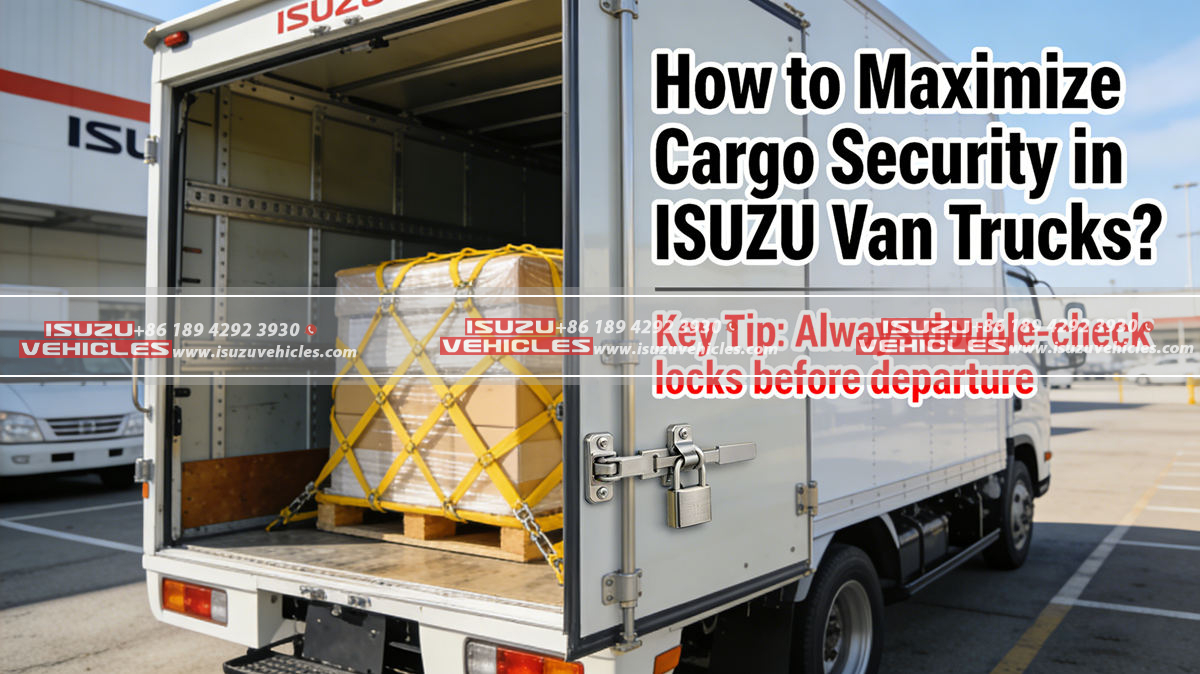
Van truck doors are the primary access points and therefore the most common targets for unauthorized entry. Upgrading factory locks with reinforced multi-point locking systems significantly increases resistance to forced access. Heavy-duty hinges, internal deadlocks, and tamper-resistant hardware further enhance door security, making break-ins more time-consuming and less attractive to potential thieves.
Body Construction and Panel Strength
The strength of side panels and roof structures directly influences cargo security, especially against cutting or prying attacks. ISUZU van trucks are engineered with robust body frames, but additional internal reinforcements or protective linings can further deter intrusion. These measures also provide secondary benefits by improving cargo containment and reducing internal damage during transport.
Internal Cargo Securing and Load Management
Even when external security is strong, internal cargo movement can compromise safety, cause damage, and increase exposure during inspections or deliveries.
Load Restraint Systems and Anchoring
Proper use of load restraint systems such as tie-down rails, adjustable straps, and cargo bars ensures that goods remain stable throughout transit. Secured cargo reduces noise, prevents shifting that could damage packaging, and minimizes the need for frequent door openings to check load condition. This controlled environment enhances both security and operational efficiency.
Organized Layout and Visibility Control
A well-organized cargo area reduces handling time and limits exposure during unloading. Grouping deliveries by route sequence and using opaque internal partitions or curtains helps conceal high-value items from casual observation when doors are opened. Limiting visual access to cargo is a subtle yet effective deterrent against theft.
Electronic Security Systems and Smart Technologies
Modern cargo security increasingly relies on electronic systems that provide real-time monitoring and rapid response capabilities.
Alarm Systems and Motion Sensors
Advanced alarm systems equipped with door sensors, motion detectors, and shock sensors provide immediate alerts when unauthorized access is attempted. These systems are particularly valuable during overnight parking or extended idle periods, where physical supervision is limited. Integrating alarms with mobile notifications ensures that drivers and fleet managers can respond quickly to security breaches.
GPS Tracking and Remote Monitoring
GPS tracking systems add a strategic layer of security by allowing real-time location monitoring and route verification. In the event of theft, rapid vehicle recovery becomes far more likely when accurate tracking data is available. Remote monitoring platforms also enable geofencing, which triggers alerts if a vehicle deviates from approved routes or enters unauthorized areas.
Operational Discipline and Driver Responsibility
Technology and hardware alone cannot guarantee cargo security without consistent human involvement and disciplined operational behavior.
Secure Parking and Stop Management
Drivers play a crucial role in minimizing risk by selecting secure parking locations, especially during rest breaks or overnight stops. Well-lit areas, monitored facilities, and designated truck parking zones significantly reduce theft risk. Simple practices such as backing the rear doors against walls or other vehicles add an additional physical barrier to unauthorized access.
Training and Accountability
Comprehensive driver training programs reinforce the importance of cargo security as part of daily responsibility. Training should cover proper locking procedures, inspection routines, response protocols for suspicious activity, and reporting requirements for security incidents. When drivers understand the rationale behind security measures, compliance becomes more consistent and effective.
Integrating Cargo Security into Fleet Management Strategy
Long-term cargo security success depends on integrating protection measures into broader fleet management policies rather than treating them as isolated upgrades.
Standardized Procedures and Audits
Establishing standardized security procedures across the fleet ensures consistent implementation regardless of route or driver assignment. Periodic audits of locks, alarms, load restraint systems, and operational practices help identify weaknesses before they result in loss or damage. Documentation and performance tracking further support continuous improvement.
Aligning Security with Business Objectives
Cargo security should support broader business goals such as customer satisfaction, insurance cost reduction, and brand reputation. Demonstrating a strong security framework enhances client confidence and can lead to preferential contracts, particularly for sensitive or high-value goods. Over time, the investment in security delivers measurable returns through reduced losses and improved operational reliability.
By approaching cargo protection as a layered system rather than a single solution, operators can significantly enhance the safety and reliability of their transport operations. Whether managing urban deliveries or regional distribution, the principles discussed above apply consistently across ISUZU platforms, including the versatile ISUZU cargo truck configurations used in diverse logistics environments. With thoughtful design choices, disciplined operations, and continuous improvement, cargo security becomes an integral part of efficient and professional ISUZU van truck operations.