
Introduction to the Project
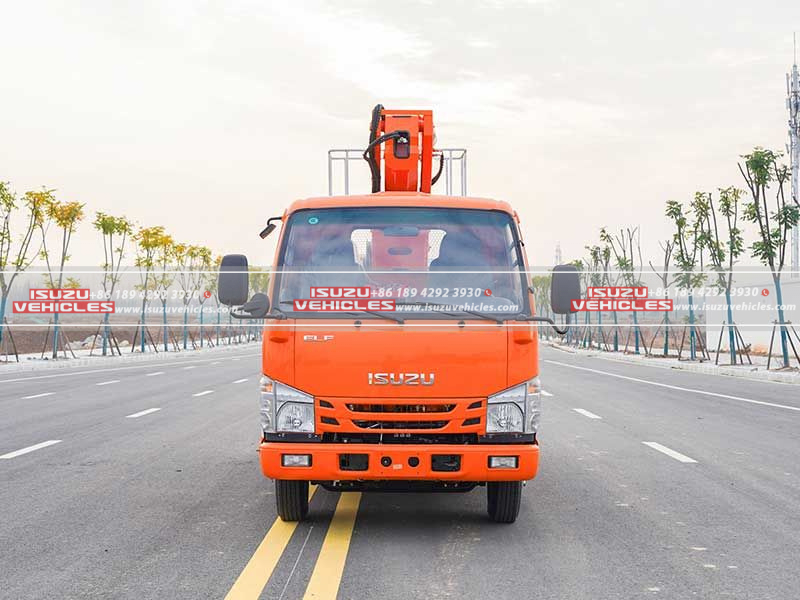
In a landmark initiative aimed at revolutionizing Uganda’s energy sector, ISUZU VEHICLES has successfully delivered a fleet of advanced bucket trucks to bolster the nation’s power grid infrastructure, marking a significant stride towards sustainable development and improved electricity accessibility across rural and urban regions. This strategic deployment, finalized on October 23, 2025, underscores a concerted effort to address long-standing challenges in grid maintenance and reliability, which have historically hindered economic growth and quality of life for millions of Ugandans. The collaboration between ISUZU VEHICLES and a prominent local partner represents a pivotal investment in modernizing critical utilities, with these specialized vehicles designed to enhance operational efficiency and safety for utility workers, thereby accelerating progress toward Uganda’s national energy goals amidst a backdrop of increasing demand and urbanization pressures.
The Historic Delivery Event
The official handover ceremony took place in Kampala on the morning of October 23, 2025, attended by key stakeholders including government officials, ISUZU VEHICLES executives, and representatives from the local contracting firm, Uganda Power Solutions Ltd., symbolizing a milestone in bilateral industrial cooperation. This event highlighted the timely arrival of the bucket trucks, which were transported via sea and road logistics to ensure prompt integration into Uganda’s power network, with the vehicles immediately deployed to high-priority sites such as substations in Jinja and Mbarara to commence essential upgrades and repairs. Amidst speeches emphasizing mutual commitment, the delivery not only showcased ISUZU’s logistical prowess but also reinforced the urgency of fortifying infrastructure against seasonal weather disruptions, setting a precedent for future public-private initiatives in the region.
Enhancing Uganda’s Power Infrastructure
The integration of ISUZU bucket trucks is poised to transform Uganda’s power grid by enabling faster response times to outages and facilitating routine maintenance tasks that were previously hampered by limited resources, thereby reducing downtime and improving service continuity for households and businesses nationwide. These vehicles will directly contribute to grid resilience by allowing technicians to safely access overhead lines in remote areas, where rugged terrain and inadequate equipment have long compounded reliability issues, ultimately supporting Uganda’s Vision 2040 objectives for universal electricity access and economic diversification. Enhanced monitoring capabilities, coupled with the trucks’ ability to handle complex repairs, will mitigate risks associated with aging infrastructure and population growth, fostering a more stable energy supply that underpins industrial expansion and social development in underserved communities.
Technical Features of ISUZU Bucket Trucks
The newly delivered bucket trucks boast cutting-edge engineering tailored to Uganda’s specific environmental and operational demands, featuring robust hydraulic systems and extendable booms that ensure optimal performance in diverse conditions, from urban centers to rural hinterlands.
Safety and Efficiency
Innovative safety mechanisms, including anti-tip stabilizers and insulated buckets, prioritize worker protection during high-voltage operations, significantly reducing accident rates while maximizing productivity through rapid deployment and minimal setup times. This focus on hazard mitigation not only complies with international standards but also aligns with Uganda’s occupational health regulations, ensuring that utility crews can execute tasks with confidence even in challenging scenarios like storm recovery or grid expansions.
Adaptability to Local Conditions
Customized for Uganda’s climate, the trucks incorporate corrosion-resistant materials and all-terrain capabilities to withstand humid, dusty environments, with modular designs allowing for easy adaptation to varying grid configurations and future technological upgrades. Such flexibility ensures long-term viability and cost-effectiveness, empowering local teams to address infrastructure gaps without frequent replacements, thereby supporting sustainable resource management and operational continuity across the nation’s evolving energy landscape.
Strategic Partnership with Local Entity
The contract between ISUZU VEHICLES and Uganda Power Solutions Ltd., a leading domestic energy services provider, exemplifies a synergistic alliance focused on capacity building and knowledge transfer, with the local firm playing a crucial role in fleet management and technician training to ensure seamless adoption. This partnership leverages local expertise to tailor maintenance protocols and optimize vehicle utilization, fostering economic empowerment through job creation and skill development programs that benefit Ugandan communities, while adhering to ISUZU’s global commitment to quality and reliability. By embedding sustainable practices, such as eco-friendly operational guidelines, the collaboration not only enhances grid performance but also strengthens Uganda’s industrial base, paving the way for expanded cooperation in infrastructure projects.
Broader Implications and Future Initiatives
Beyond the immediate grid enhancements, this delivery signals ISUZU VEHICLES’ broader strategy to support Uganda’s development through a diversified product portfolio, including versatile mixer truck and dump truck models that could soon be integrated into construction and logistics sectors to further boost national infrastructure projects. Future initiatives may explore expanded deployments to address interconnected challenges like road development and urban expansion, with ISUZU’s comprehensive range of commercial vehicles offering scalable solutions that complement the bucket trucks’ successes, thereby driving holistic progress and innovation across East Africa’s evolving economic landscape.