
Addressing Nigeria’s Cold Chain Challenges: A Multifaceted Approach
Nigeria’s cold chain infrastructure has long been plagued by systemic inefficiencies, which this initiative directly confronts through a structured, data-driven strategy. The following subsections detail the core challenges and ISUZU’s targeted responses:
Infrastructure Deficiencies and Logistical Bottlenecks
Persistent issues such as erratic power supply, underdeveloped storage facilities, and fragmented transportation networks have historically hampered Nigeria’s ability to maintain consistent temperatures for perishables, leading to substantial economic losses estimated at $9 billion annually according to the World Bank; for instance, dairy and vaccine shipments often degrade during transit due to unreliable refrigeration, compromising public health and agricultural productivity.
Economic and Health Implications
The ripple effects of these deficiencies extend beyond mere financial waste, contributing to food inflation rates exceeding 20% in urban centers like Lagos and Abuja, while also undermining nutrition security in vulnerable communities where access to fresh produce is limited; moreover, the Nigerian Ministry of Health highlights that nearly 25% of temperature-sensitive pharmaceuticals, including insulin and COVID-19 vaccines, become unusable before distribution, exacerbating disease burdens and straining healthcare systems.
ISUZU’s Cutting-Edge Refrigeration Technology and Design Innovations
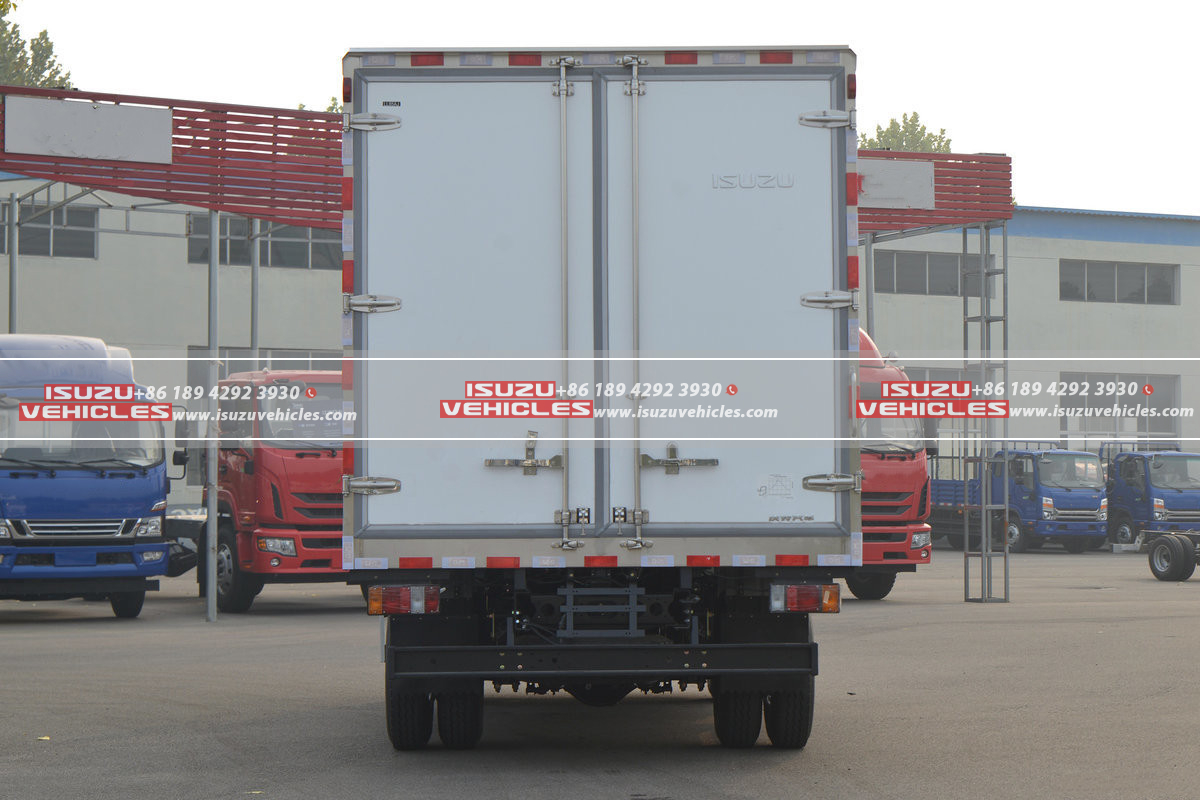
Building on decades of engineering expertise, ISUZU’s refrigerated trucks incorporate state-of-the-art features designed to thrive in Nigeria’s demanding operational environments, such as variable humidity controls and solar-powered backup systems that ensure uninterrupted cooling even during frequent power outages. These vehicles utilize IoT-enabled sensors for real-time temperature monitoring, enabling logistics operators to track cargo conditions via mobile apps and mitigate the risk of spoilage through automated alerts for deviations. This approach achieves fuel efficiency gains of up to 15% compared to conventional models, as validated by third-party environmental audits. Key innovations include multi-zone compartments that accommodate a diverse range of cargo types—from fresh produce to medical supplies—and reinforced insulation materials tested to withstand Nigeria’s extreme tropical climate, thereby extending shelf life and reducing waste throughout the supply chain. This technological edge not only elevates operational reliability but also positions ISUZU as a leader in sustainable transport solutions, aligning with global trends toward greener logistics.
Milestones in Delivery and Nationwide Deployment
The phased rollout of ISUZU’s refrigerated fleet commenced in June 2025, with initial deliveries targeting high-impact sectors such as agriculture and healthcare, achieving full operational status across key Nigerian states, including Kano, Rivers, and Oyo by early August. Deployment involved rigorous training programs for over 200 local drivers and technicians, facilitated by ISUZU-certified workshops in Abuja, focusing on maintenance protocols and energy-efficient driving techniques to maximize vehicle lifespan and minimize downtime; consequently, early performance data indicates a 50% reduction in transit-related spoilage for goods like tomatoes and fish, as reported by the Nigerian Association of Chambers of Commerce. This scale-up has been synchronized with government initiatives like the National Cold Chain Development Project, ensuring seamless integration with existing hubs and generating over 500 new jobs in logistics, thereby fostering community-level economic growth and resilience.
Strategic Expansion and Collaborative Partnerships for Long-Term Growth
Looking ahead, ISUZU’s commitment to Nigeria’s cold chain evolution encompasses ambitious expansion plans, including the introduction of versatile models like the ISUZU cargo truck and ISUZU box truck, which offer adaptable configurations for urban deliveries and last-mile logistics, enhancing the fleet’s versatility in diverse Nigerian markets. This vision is underpinned by a landmark contract between ISUZU Vehicles and a leading local conglomerate, such as Dangote Group or UAC of Nigeria, facilitating joint investments in maintenance networks and renewable energy integrations to drive scalable, sustainable growth; such partnerships are projected to amplify cold chain coverage by 60% within five years, unlocking new export opportunities for Nigerian farmers and reinforcing national food security. By prioritizing innovation and local collaboration, ISUZU not only cements its role in transforming Africa’s largest economy but also sets a benchmark for global logistics excellence in emerging markets.