
Introduction
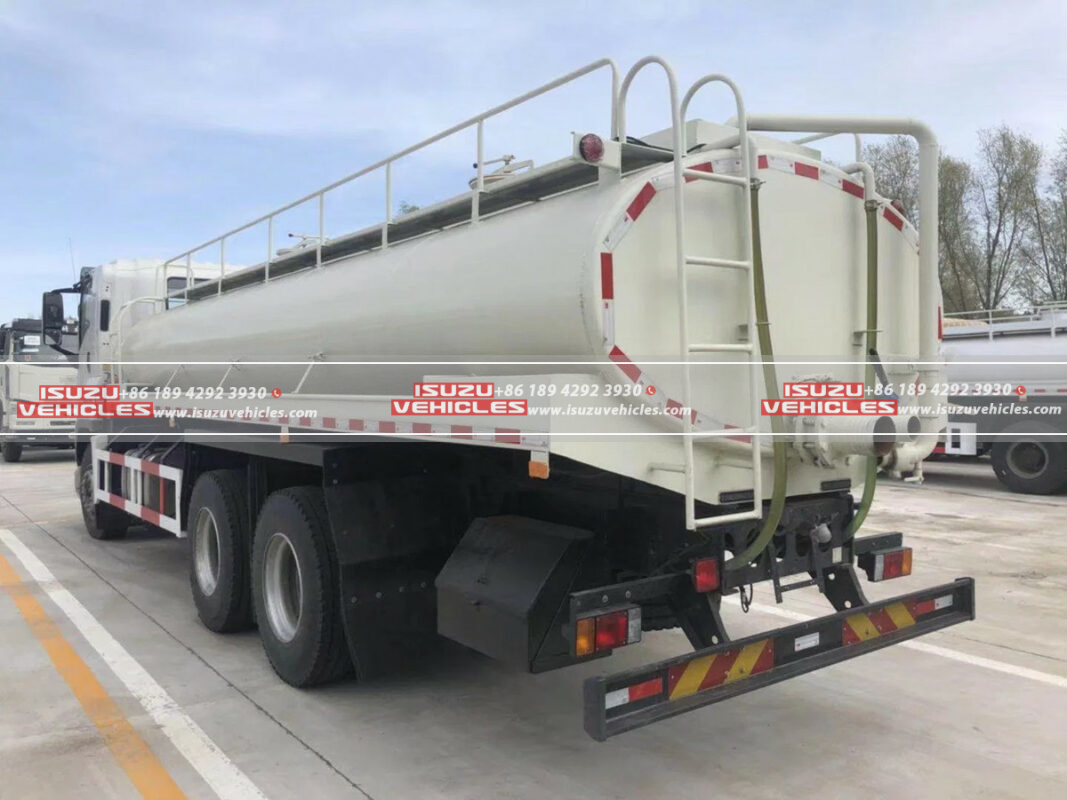
Desert roads are often plagued by dust problems, which not only reduce visibility for drivers but also hurt the environment and human health. ISUZU sprinkler trucks are commonly used for dust control on these roads. However, the effectiveness of dust control largely depends on proper nozzle calibration. This blog post will explore the importance of nozzle calibration for ISUZU sprinkler trucks in desert road dust control and provide insights into the calibration process.
The Significance of Nozzle Calibration
Dust Suppression Efficiency
Properly calibrated nozzles ensure that water is distributed evenly across the road surface. In a desert environment, where the wind can quickly disperse dust, an even water spray is crucial. If the nozzles are not calibrated correctly, some areas of the road may receive too much water, leading to wastage, while other areas may receive too little, leaving dust particles airborne. By calibrating the nozzles, the sprinkler truck can achieve optimal dust suppression, reducing the amount of dust that becomes airborne and improving air quality.
Water Conservation
Water is a precious resource, especially in desert regions. Incorrectly calibrated nozzles can result in excessive water usage. When the water spray pattern is uneven or the flow rate is too high, more water is used than necessary to control dust. Calibration helps to set the appropriate flow rate and spray pattern, ensuring that the right amount of water is applied to the road. This not only conserves water but also reduces the operating costs of the sprinkler truck.
Equipment Longevity
Well – calibrated nozzles also contribute to the longevity of the sprinkler truck’s equipment. When the nozzles are working at the correct pressure and flow rate, there is less stress on the entire water delivery system, including the pump, hoses, and valves. This reduces the likelihood of premature wear and tear, breakdowns, and costly repairs.
Factors Affecting Nozzle Calibration
Nozzle Type
There are different types of nozzles available for ISUZU sprinkler trucks, such as fan – shaped nozzles and cone – shaped nozzles. Each type has its own unique spray pattern and characteristics. Fan – shaped nozzles are typically used for wide – area coverage, while cone – shaped nozzles are more suitable for targeted spraying. The choice of nozzle type depends on the specific requirements of the dust control task on the desert road, and it also affects the calibration process.
Road Conditions
The condition of the desert road also plays a role in nozzle calibration. For example, if the road has a lot of ruts or uneven surfaces, the water spray may need to be adjusted to ensure that all areas are covered. Additionally, the type of dust on the road, such as fine sand or coarser gravel, can influence the required water flow rate and spray pattern. Fine dust may require a finer mist to be effectively suppressed, while coarser particles may need a higher volume of water.
Environmental Factors
Wind speed and direction are important environmental factors to consider during nozzle calibration. Strong winds can blow the water spray off – target, reducing its effectiveness. In windy conditions, the nozzle angle and flow rate may need to be adjusted to compensate for the wind. Temperature and humidity can also affect the evaporation rate of the water, which in turn impacts the dust control performance.
The Nozzle Calibration Process
Initial Inspection
Before calibration, a thorough inspection of the nozzles is necessary. Check for any signs of damage, clogging, or wear. A clogged nozzle can disrupt the spray pattern and flow rate, while a worn – out nozzle may not produce the desired water distribution. Clean or replace any damaged or clogged nozzles.
Setting the Flow Rate
The flow rate of the nozzles is determined by the pressure in the water delivery system and the size of the nozzle orifice. Use a flow meter to measure the actual flow rate. Adjust the pump pressure or change the nozzle size if necessary to achieve the desired flow rate. The flow rate should be set based on the road conditions, dust type, and environmental factors.
Adjusting the Spray Pattern
The spray pattern can be adjusted by changing the nozzle angle, the distance between the nozzles, and the orientation of the nozzles. Use a spray pattern analysis tool or simply observe the water spray on a test surface to make these adjustments. The goal is to achieve an even and overlapping spray pattern that covers the entire width of the road.
Testing and Fine – Tuning
After making the initial adjustments, test the sprinkler truck on a short section of the desert road. Observe the dust suppression effect and the water distribution. Make further fine – tuning adjustments to the flow rate and spray pattern as needed based on the test results.
Conclusion
Nozzle calibration is a critical aspect of using ISUZU sprinkler trucks for desert road dust control. It improves dust suppression efficiency, conserves water, and extends the lifespan of the equipment. By considering factors such as nozzle type, road conditions, and environmental factors, and following a proper calibration process, the sprinkler truck can effectively reduce dust on desert roads, enhancing safety and environmental quality. Regular calibration and maintenance of the nozzles are essential to ensure continued optimal performance in the challenging desert environment.