
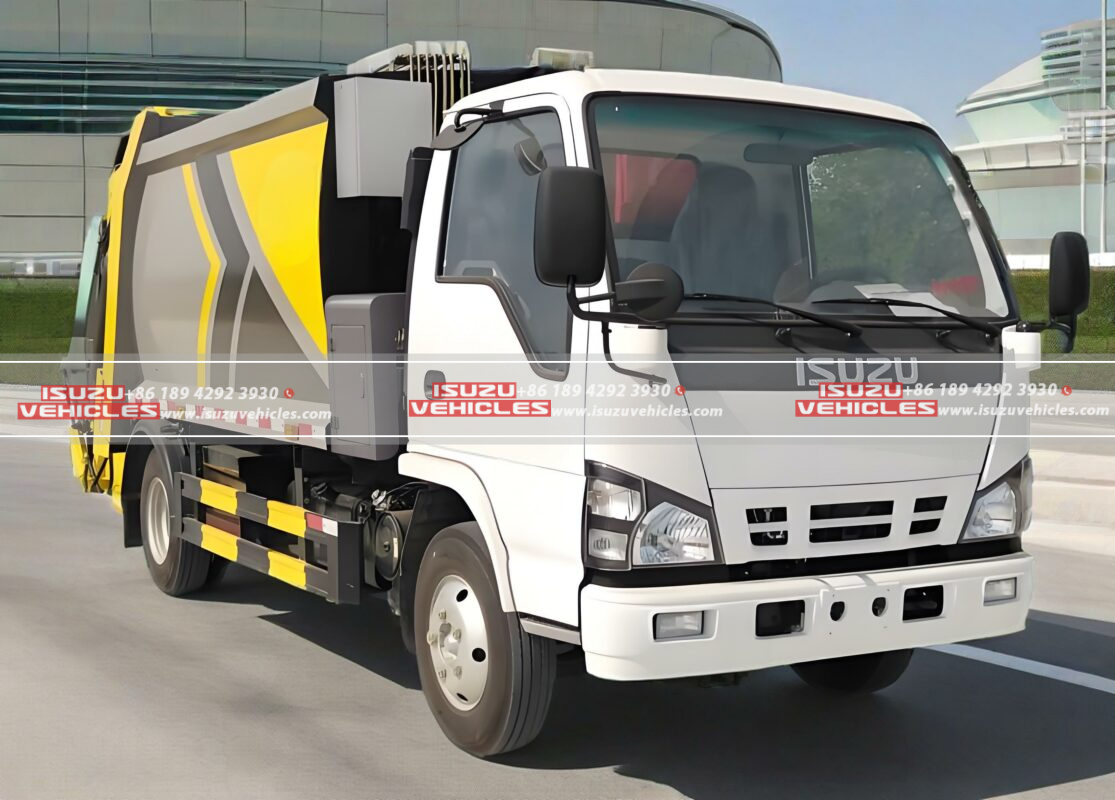
The Unseen Engine of a Flawless Tournament The 2022 FIFA World Cup in Qatar wasn’t just a celebration of football; it was a monumental test of urban logistics and environmental stewardship on an unprecedented scale. Hosting over 1.4 million visitors within a compact geography demanded infrastructure that functioned flawlessly, particularly in the critical domain of waste management. While the stadiums dazzled, it was the relentless, unseen work of a specialized fleet – notably hundreds of Isuzu garbage trucks – that kept the host cities pristine and operational throughout the event. Today, long after the final trophy lift, this commitment continues, forming a vital part of Qatar’s enduring World Cup infrastructure legacy, underpinned by the reliability of Isuzu vehicles operating under a strategic partnership forged between Isuzu China and major local Qatari entities.
Scaling Up for the Global Stage: Preparing for the World Cup influx required a quantum leap in Qatar’s waste management capabilities. Existing systems needed radical expansion and enhancement to handle the projected surge in municipal solid waste, particularly concentrated around stadium precincts, fan zones, transportation hubs, and accommodation centers. The challenge was multifaceted: achieving massive collection capacity, ensuring rapid deployment and clearance to maintain hygiene and aesthetics, and operating efficiently within the complex, often congested, urban environments surrounding the tournament venues. This necessitated a fleet solution combining brute-force capacity with maneuverability and unwavering reliability under intense pressure. The solution involved a significant, rapid expansion of the national waste collection fleet, with Isuzu trucks forming a substantial core component procured through the cooperative venture.
Operational Excellence When Every Minute Counted During the tournament itself, the Isuzu fleet became the backbone of Qatar’s 24/7 waste management operations. Crews worked in meticulously planned shifts, synchronized precisely with the ebb and flow of matchdays and fan activities. Key to their success was the integration of different specialized Isuzu units:
- High-Capacity Compactors: These workhorses tackled the enormous volumes of bin and skip waste generated at stadium exits, fan fests, and major metro stations. Their robust chassis and efficient compaction systems maximized payload, reducing the number of trips to disposal sites and keeping streets clear.
- Specialized Units: Ensuring comprehensive cleanliness required more than just bulk collection. For subsurface hygiene and specialized cleaning tasks, the ISUZU vacuum truck played an indispensable role in maintaining the integrity of drainage systems around key infrastructure, preventing blockages that could have caused significant disruption.
The operational tempo was relentless, demanding peak performance from both machines and personnel. Trucks covered thousands of kilometers daily, navigating dense traffic to meet strict collection schedules. The resilience and minimal downtime of the Isuzu fleet under these grueling conditions were critical factors in preventing waste accumulation and upholding Qatar’s image of seamless organization.
Enduring Impact: The Legacy of a Cleaner, Smarter System The World Cup’s conclusion did not mark the end of the road for these essential vehicles. Instead, they transitioned seamlessly into Qatar’s national waste management infrastructure, forming a significantly enhanced platform for ongoing civic services. The legacy lies in an enduring upgrade to the country’s operational capacity and efficiency. The large-scale deployment proved the effectiveness of a modern, well-managed fleet, setting a new benchmark for municipal cleanliness. The vehicles continue to serve Doha and other major urban centers, handling daily waste streams with capacity to spare, a direct benefit of the World Cup investment. Furthermore, the experience honed sophisticated logistics planning, route optimization, and rapid response protocols that remain in use today.
A Partnership Forged for Performance The successful deployment and sustained operation of this vital fleet were facilitated by a significant contract between Isuzu Motors China and prominent Qatari companies specializing in logistics, facilities management, and waste services. This partnership was crucial. It ensured not only the timely delivery of hundreds of specialized vehicles tailored to Qatar’s harsh climate and operational demands but also the establishment of robust local parts supply chains and comprehensive technical support infrastructure. Local expertise in navigating Qatari regulations, terrain, and operational nuances combined perfectly with Isuzu’s engineering reliability and the support backbone provided through Isuzu China. This synergy guaranteed that the fleet could perform at its peak during the high-pressure tournament and continues to be supported effectively for long-term service.
Engineering Resilience: The Isuzu Advantage. The sustained performance, both during the World Cup and in the years since, underscores the inherent strengths engineered into Isuzu’s commercial vehicles:
- Legendary Durability: Built on renowned rugged chassis designed to withstand heavy payloads and demanding operating cycles across decades.
- Powertrain Reliability: Efficient, high-torque diesel engines matched with robust transmissions ensure consistent performance in start-stop urban environments and under full load.
- Low Total Cost of Ownership (TCO): Fuel efficiency, ease of maintenance, and long service intervals contribute significantly to the economic sustainability of the fleet over its extended lifespan.
- Specialized Body Integration: Isuzu chassis provide the ideal, stable platform for integrating advanced refuse collection bodies, compactors, and – critically for maintaining the pristine condition of Qatar’s expansive boulevards and hardscapes post-event – the ISUZU sweeper truck, essential for daily road cleanliness and dust control.
Sustaining the Vision The gleaming stadiums and upgraded metro remain the most visible symbols of Qatar’s World Cup. Yet, the sustained effectiveness of essential municipal services, particularly waste management, is an equally vital component of the tournament’s positive legacy. The continued operation of the extensive Isuzu fleet, born from the imperative of hosting the world but now embedded in daily Qatari life, exemplifies this. It represents a tangible, long-term enhancement to urban living standards and environmental management. The partnership model, leveraging international manufacturing prowess and deep local operational expertise, has proven its worth, ensuring that the unseen engines of a clean and functional city continue to deliver, day in and day out, upholding the standards set during those electrifying weeks of global football. The commitment embodied by these trucks continues to clean not just streets, but also strengthens the foundation of Qatar’s modern infrastructure narrative.