
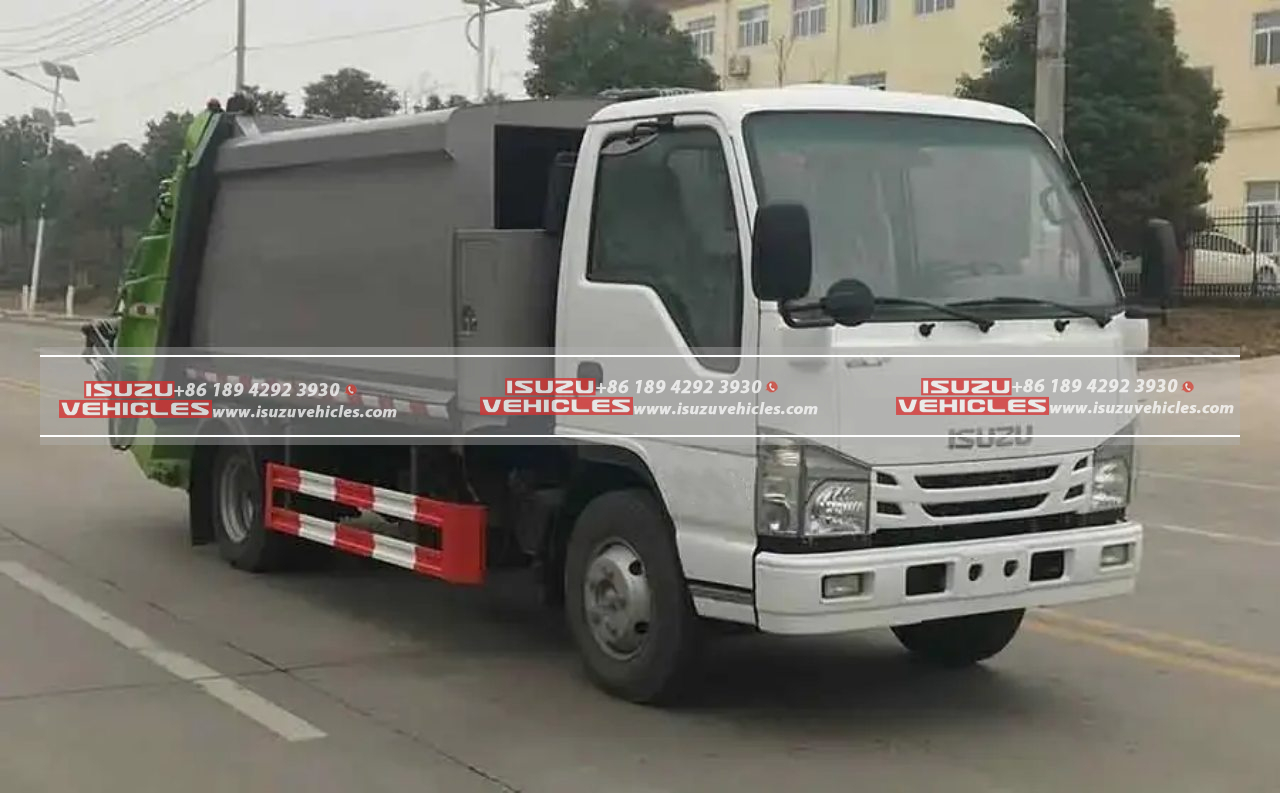
Introduction: The Unrelenting Coastal Assault
Operating garbage collection vehicles along coastlines presents a unique and brutal set of challenges. While ISUZU trucks are renowned globally for their robust engineering and reliability, the relentless marine environment subjects even the toughest chassis and bodies to accelerated decay. Salt-laden air, pervasive humidity, and the corrosive cocktail inherent in waste itself combine into a potent force that attacks metal relentlessly. For fleet managers in these demanding locales, implementing a comprehensive, multi-layered defense against salt corrosion is not merely a maintenance task; it is an absolute operational imperative critical to maximizing vehicle lifespan, ensuring safety, and controlling long-term costs. This continuous battle requires proactive, strategic solutions tailored to the specific needs of coastal duty.
Understanding the Coastal Corrosion Mechanism – Why ISUZU Trucks Need Specialized Protection
Salt corrosion, primarily electrochemical in nature, thrives in coastal settings. Salt spray acts as a highly efficient electrolyte, drastically accelerating the electrochemical reactions that cause metal oxidation (rust). Moisture is ever-present, either as high humidity, frequent fog, or direct seawater splash, constantly replenishing the electrolyte needed for corrosion cells to function. Coastal garbage trucks face a triple threat:
- Ubiquitous Salt Aerosol: Fine salt particles carried on wind settle onto every exposed and sheltered surface, initiating corrosion even in areas not directly sprayed.
- High Humidity: Constant moisture prevents protective films from forming effectively and sustains corrosive reactions long after initial exposure.
- Operational Amplifiers: Waste streams often contain organic acids, chlorides from food waste, cleaning chemicals, and road de-icing salts (even in some coastal areas), creating an even more aggressive chemical environment than ambient salt air alone. Repeated wetting and drying cycles concentrate these salts on vulnerable surfaces. Galvanic corrosion becomes a significant concern where dissimilar metals (e.g., steel body panels attached to aluminum brackets or stainless steel hardware) are in contact with this conductive saline environment.
Foundational Defense – Superior Materials and Protective Coatings
The first line of defense involves selecting and applying materials designed to withstand the coastal onslaught. OEM and aftermarket solutions focus on this critical barrier:
- Advanced Paint Systems: Standard automotive paints are insufficient. High-solid epoxy primers provide exceptional adhesion and barrier properties. These are often followed by catalyzed polyurethane topcoats offering superior UV resistance, color retention, and flexibility. Application quality is paramount: complete surface preparation (SA 2.5 blast cleaning), strict environmental controls, and adequate dry film thickness (DFT) – often exceeding 250 microns total – are non-negotiable for long-term coastal performance. Critical areas like the chassis, underbody, wheel arches, and dump body interior demand extra attention and potentially thicker coatings.
- Metallic Coatings – The Zinc Shield: Hot-dip galvanizing (HDG) remains a gold standard for critical structural components like chassis frames and subframes. The thick zinc layer provides robust barrier protection and sacrificial cathodic protection. For smaller parts, fasteners, and brackets, zinc-nickel electroplating offers superior corrosion resistance compared to traditional zinc plating, often exceeding 1000 hours in salt spray testing.
- Stainless Steel Integration: Strategically replacing mild steel components with austenitic stainless steel grades (like 304 or more corrosion-resistant 316L, especially near weld zones) significantly enhances longevity in high-splash zones (e.g., tailgate mechanisms, hopper liners, fluid reservoirs, hydraulic tank shields, brackets). While a higher initial investment, the reduction in replacement frequency and downtime provides a compelling lifecycle cost argument for coastal fleets.
Engineered Protection – Cathodic Systems and Sealing
Beyond passive barriers, active and targeted protective systems are crucial for vulnerable areas:
- Sacrificial Anodes (Zinc/Aluminum): Strategically welded or bolted sacrificial anodes made from zinc or aluminum alloys provide directed cathodic protection to critical, hard-to-coat areas like inside enclosed box sections, hollow chassis members, water tanks, and around welds. These anodes corrode preferentially, “sacrificing” themselves to protect the underlying steel. Regular inspection and replacement are essential as they deplete.
- Cavity Wax and Underbody Protection: Fluid-applied, waxy corrosion inhibitors are injected into closed cavities (doors, pillars, frame rails) displacing moisture and forming a self-healing, water-repellent barrier. Lanolin-based undercoating compounds or modern, flexible rubberized asphalt coatings applied thickly to the underbody, chassis, and inner fenders provide a resilient, stone-chip resistant barrier against direct salt spray splash and abrasion.
- Sealing the Enemy Out: Preventing salt and moisture ingress is cheaper than repairing corrosion. Utilizing high-quality butyl tape sealants at panel joints, ensuring door and access panel seals are intact and supple, and employing dielectric grease on all electrical connectors (preventing galvanic corrosion and moisture ingress causing electrical faults) are vital, often-overlooked practices. Pay particular attention to seams around the cab mounts, body-to-chassis interfaces, and any penetration points for wiring or hydraulic lines.
The Critical Role of Rigorous Maintenance Protocols
Even the best passive and active defenses can be overwhelmed without disciplined, consistent maintenance routines specifically designed for coastal operations. This is where operational vigilance makes the difference:
- Frequent, Thorough Cleaning: This is the single most effective operational practice. Rinsing the entire vehicle, especially the underbody, wheel wells, chassis, and inside the hopper, with copious amounts of fresh water at the end of every shift is essential. This physically removes accumulated salt deposits before they have a prolonged time to react. High-pressure wash systems are ideal, ensuring salt is flushed out of crevices and cavities, not just off flat surfaces. Pay special attention to areas trapping debris/sludge.
- Targeted Cleaning of Critical Components: Beyond the general rinse, dedicated cleaning of hydraulic cylinders (checking rod condition), electrical connections (using contact cleaner and dielectric grease), and brake components prevents salt-induced seizure and failure.
- Aggressive Inspection Regimen: Implement frequent, detailed visual inspections focusing on known corrosion hotspots: chassis welds and joints, suspension components (spring hangers, torque rods), body mounts, hydraulic line fittings, exhaust systems, fluid reservoirs, and the underside of the cab floor. Ultrasonic thickness testing can be valuable for monitoring structural components over time.
- Prompt Remediation: Any damage to paint or protective coatings discovered during inspection must be addressed immediately. Sand back to clean metal, apply appropriate primer, and refinish. Leaving even minor scratches or stone chips unrepaired creates initiation points for rapid corrosion spread underneath adjacent coatings. Replace depleted sacrificial anodes promptly.
Integrated Strategy for Maximum Longevity – Beyond the Basics
Achieving optimal corrosion resistance requires integrating all these elements into a cohesive, fleet-wide strategy, acknowledging that garbage truck configurations face slightly different challenges:
- Holistic Fleet Management: Corrosion prevention must be a core consideration from specification and procurement through daily operation and maintenance. Choose vendors offering factory-applied corrosion packages designed for coastal use. Ensure maintenance contracts explicitly include corrosion-specific tasks and inspections. Budget proactively for premium materials and coatings – they pay dividends in extended service life and reduced catastrophic failures.
- Operator Awareness: Drivers are the first line of defense. Train them on the importance of avoiding deep saline puddles when possible, the critical need for post-shift washing (especially after ocean spray or heavy salt fog), and reporting any observed damage, leaks, or unusual corrosion immediately. Their diligence directly impacts vehicle health.
- Configuration-Specific Vulnerabilities: While core principles apply universally, nuances exist. ISUZU sweeper truck variants, with intricate water systems, broom mechanisms prone to salt accumulation, and numerous low-lying nozzles/hoses, demand meticulous flushing of the entire water circuit with fresh water after use and careful inspection of broom head bearings and linkages. Similarly, ISUZU vacuum truck operations, involving concentrated liquid waste often high in chlorides and acids, require exceptionally rigorous and frequent cleaning of the tank interior, valves, pumps, and associated pipework. The powerful suction can also draw in significant airborne salt and abrasive sand particles, necessitating enhanced air intake and filter maintenance. Recognizing and addressing these configuration-specific threats is paramount.
The battle against salt corrosion on coastal ISUZU garbage trucks is perpetual and demanding, but victory is achievable through knowledge, investment, and unwavering discipline. By implementing a layered defense of advanced materials, engineered protection systems, and ironclad maintenance routines, fleet managers can ensure these vital workhorses withstand the coastal siege, delivering reliable, safe, and cost-effective service for many years against the relentless ocean elements. Success hinges not on a single silver bullet, but on the consistent execution of a comprehensive, integrated strategy.