
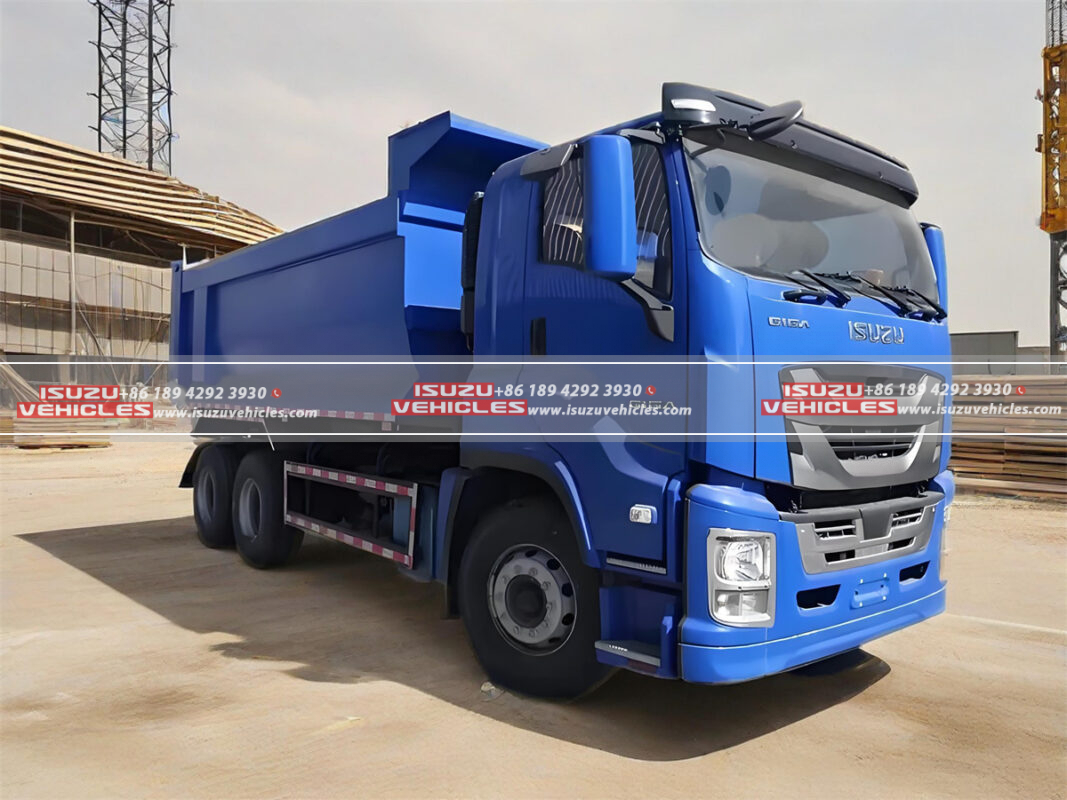
Securing a reliable used ISUZU dump truck represents a significant investment for construction firms, quarry operators, and bulk material haulers. Unlike standard trucks, dump trucks endure extreme structural stresses, corrosive environments, and relentless hydraulic cycles that demand meticulous evaluation before purchase. Overlooking critical flaws during inspection can transform an apparent bargain into a costly liability, leading to catastrophic operational downtime and exorbitant repair bills. This comprehensive 1200+ word guide details the five non-negotiable inspection pillars every buyer must prioritize, focusing specifically on the resilience and common failure points of ISUZU’s robust dump platforms like the F-Series and CXZ models.
Chassis & Frame Integrity – The Backbone of Durability
The chassis and frame form the literal backbone of any dump truck, bearing the immense torsional forces generated during loading, transit, and dumping cycles. ISUZU frames, while renowned for their high-tensile steel construction, are susceptible to metal fatigue and corrosion over years of heavy service.
- Critical Welds & Stress Point Examination: Begin by scrutinizing the frame rails, especially around the dump body mounting points, suspension hangers, and fifth-wheel area (if equipped). Use a bright flashlight and mirror to inspect the top flanges and inner webs for hairline cracks radiating from weld seams – a telltale sign of metal fatigue. Pay particular attention to areas where aftermarket equipment (like auxiliary hydraulics) was welded on, as improper techniques can create localized stress risers.
- Corrosion Assessment Beyond Surface Rust: Surface rust is common, but structural corrosion requires aggressive probing. Tap suspect areas with a ball-peen hammer; solid metal rings clearly, while compromised sections produce a dull thud. Focus on the forward section behind the cab (road spray zone), around the battery box (acid exposure), and inside crossmember box sections where mud and moisture trap. Pitting depth exceeding 30% of rail thickness warrants immediate rejection or demands factored-in repair costs.
- Alignment Verification: Misalignment manifests as uneven tire wear, but a quick check involves sighting down the frame rails from behind the cab. Significant bowing or twisting indicates past overload events or accident damage. Measure diagonal distances between fixed points on opposite frame rails (e.g., front spring hanger to rear axle hanger on each side); discrepancies exceeding manufacturer tolerance (often >5mm) signal potential frame damage requiring professional straightening.
Dump Mechanism & Hydraulic System – Power Under Pressure
The hydraulic lift system is the dump truck’s defining feature and represents one of the most expensive components to repair or replace. A thorough operational test under load is paramount.
- Visual Inspection of Hydraulic Components: Examine the hoist cylinder(s) meticulously for scoring, pitting, or significant rod bending – any of which can cause seal failure and costly fluid leaks. Check all hydraulic hoses along their entire length for abrasions, bulges, or soft spots indicating impending failure. Inspect the pump, reservoir, and control valve assembly for leaks, corrosion, or signs of overheating (discolored paint). Verify the condition of the PTO (Power Take-Off) unit driving the pump – unusual noises or excessive play are red flags.
- Operational Cycle Test Under Load: Never accept a demonstration with an empty body. Demand the truck be loaded to at least 70% of its rated capacity (e.g., sand, gravel). Observe the lift cycle:
- Lift Speed & Stability: A healthy system lifts smoothly and steadily. Jerky motion, sudden drops, or excessive body sway during lifting indicate air in the system, worn cylinder seals, or potential valve issues.
- Maximum Height & Hold Capacity: Ensure the body reaches its full design height and holds position solidly without noticeable drift. Drift exceeding a few inches per minute suggests internal cylinder leakage or faulty holding valves.
- Lowering Control: The body should descend smoothly and controllably. A sudden drop or uncontrolled descent is a critical safety hazard pointing to malfunctioning control valves.
- Body Condition & Subframe: Inspect the dump body interior for wear plates, significant dents impacting volume, or critically thin areas from abrasion. Check the subframe (the structure connecting the body to the truck chassis) for cracks, especially at welds connecting the hinge pillars. Ensure the tailgate latches securely and the hinges are not bent or cracked.
Powertrain & Drivetrain – Assessing the Heart of the Haul
ISUZU’s 4HK1 and 6WG1 engines, coupled with robust transmissions, are workhorses, but high-idle hours and heavy loads take their toll.
- Engine Deep Dive: Beyond checking fluids (oil, coolant – look for contamination like coolant in oil or vice-versa):
- Cold Start Observation: If possible, witness a cold start. Excessive white smoke (coolant) or blue smoke (oil burning) that doesn’t clear quickly is problematic. Listen for persistent knocking or tapping noises.
- Performance Under Load: During a test drive with a load (crucial for dump trucks), assess power delivery. Significant black smoke under acceleration, lack of power on inclines, or failure to maintain highway speeds could indicate turbocharger issues, injector problems, or low compression.
- Fluid Analysis: Strongly recommend an oil sample analysis (Blackstone Labs or similar) if seller permits. This reveals internal wear metals (bearing material, piston rings), coolant contamination, or fuel dilution invisible to the naked eye, providing a predictive health snapshot.
- Transmission & Drivetrain: Test all gear ranges, especially low gears crucial for site work. Grinding during shifts (manual), harsh engagements (automatic), or slipping under load are major concerns. Check differential(s) and driveshafts for excessive backlash (play when rocking the truck) or leaking seals. Inspect U-joints for looseness or binding.
Cab, Electrics & Brakes – Operator Safety & Functionality
Comfort and control directly impact productivity and safety. Pay close attention to these often-overlooked areas:
- Cab Condition & Controls: Assess the driver’s seat (suspension function, tears), dash integrity (cracks, working gauges – especially oil pressure and coolant temperature), HVAC performance (critical for operator fatigue), and windshield/window condition. Test all lights, wipers, horn, and accessories. Significant electrical gremlins can be costly to trace and repair.
- Brake System Imperatives: Dump trucks carry massive weight downhill. Test brakes aggressively (when safe) both empty and loaded.
- Air Brake Checks: Listen for audible air leaks (hissing) around valves, chambers, and lines. Observe air pressure build-up time (should reach operating pressure within a few minutes from zero). Conduct multiple hard stops – significant pull to one side indicates imbalance. Check brake chamber stroke on all wheels – excessive stroke signals worn linings or adjustment issues. Ensure the parking brake holds securely on an incline.
- Foundation Brakes: Visually inspect brake linings (where accessible) for adequate thickness. Look for cracked drums or severely scored rotors. Check slack adjusters for proper function.
Documentation, History & Final Verification – The Paper Trail & Test Drive
Due diligence extends beyond the physical inspection to validate the truck’s past and current operational readiness.
- Service Records & History Scrutiny: Demand comprehensive maintenance logs. Consistent, timely oil/filter changes, hydraulic fluid servicing, and adherence to major service intervals (coolant flushes, transmission service) are strong positive indicators. Look for records of repairs related to the dump mechanism, engine overhauls, or major component replacements. Verify the actual operating hours (often more critical than mileage for vocational trucks) via the hour meter or ECU data. A discrepancy between odometer reading and documented hours/mileage is a major red flag.
- Comprehensive Loaded Test Drive: This synthesizes all previous checks:
- Performance: Evaluate engine power, transmission shifts, braking effectiveness (especially fade on long descents), steering feel (play, wander), and suspension behavior over bumps while loaded.
- Operational Noise: Listen for new or unusual sounds – driveline vibrations, differential whine, cab rattles, or air leaks under load.
- Professional Inspection: Strongly recommend hiring an independent diesel mechanic specializing in commercial trucks or ISUZU models. Their trained eyes and diagnostic tools can uncover hidden issues (compression tests, injector balance, electronic fault codes) justifying their fee many times over. For exceptionally complex models like the heavy-duty ISUZU GIGA truck, this step is virtually mandatory.
- Final Decision Synthesis: Weigh the inspection findings against the asking price and projected repair costs. Factor in availability and cost of specific ISUZU parts for that model. Does the operational history inspire confidence? Does the machine feel fundamentally sound despite needing minor repairs, or are there signs of systemic neglect? Remember, a well-maintained, slightly older ISUZU often offers better long-term value than a neglected newer model – a principle that holds true whether evaluating a massive GIGA or even a smaller, versatile ISUZU ELF dump configuration for lighter duties. The most cost-effective truck is the one that spends its days reliably moving material, not sitting in the repair bay.