
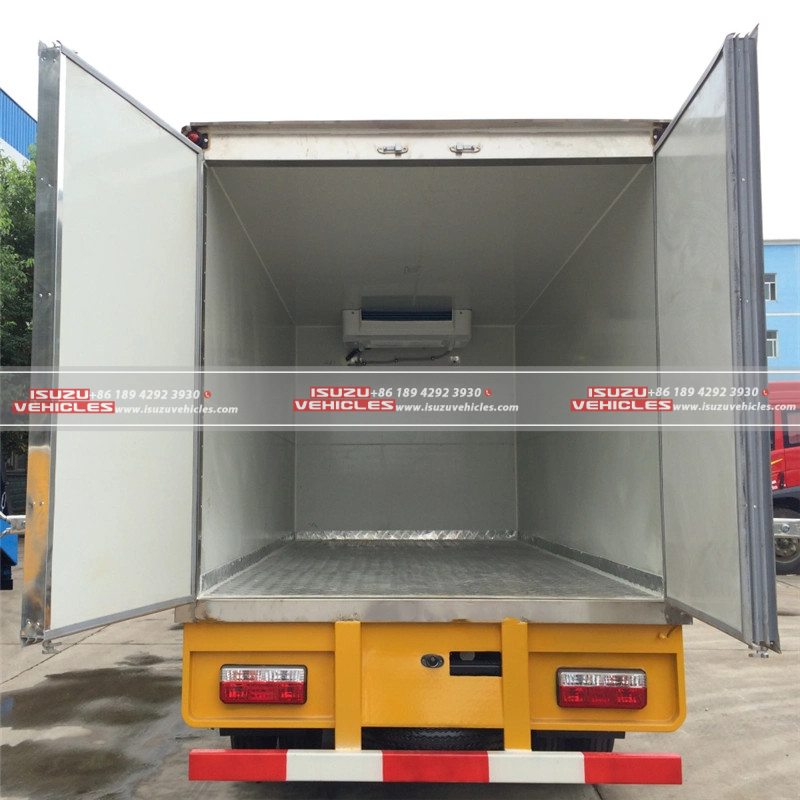
The Precision Imperative – Why Vaccine Distribution Demands Specialized Refrigeration
The successful deployment of vaccines, from sophisticated mRNA formulations to established attenuated viral vaccines, hinges entirely on the unbroken maintenance of precise thermal conditions throughout their arduous journey from manufacturing facility to point-of-use clinics, pharmacies, and hospitals; this complex logistical symphony, known as the cold chain, represents a critical public health infrastructure where even minor deviations in temperature can catastrophically compromise vaccine efficacy, potentially rendering life-saving interventions inert and wasting precious resources. Unlike standard perishable goods, most vaccines exhibit an exceptionally narrow tolerance band, typically requiring strict adherence to +2°C to +8°C for stability, with specific ultra-cold chain products demanding cryogenic temperatures as low as -70°C, necessitating refrigeration systems far surpassing conventional capabilities in robustness, precision, and reliability. Consequently, the strategic deployment of purpose-built refrigerated transport, such as those engineered on the ISUZU platform, transcends mere logistical convenience to become a non-negotiable cornerstone of effective immunization programs, safeguarding potency, ensuring patient safety, and maximizing the substantial investment inherent in global vaccination efforts against endemic diseases and emerging pandemic threats alike.
Core Deployment Scenarios – Matching ISUZU Capacity to Cold Chain Legs
Identifying the optimal juncture for deploying an ISUZU refrigerated truck requires a nuanced understanding of the vaccine distribution network’s structure, the specific thermal requirements of the cargo, distances involved, and the infrastructure available at origin and destination points, demanding a tailored approach rather than a one-size-fits-all solution.
- Primary Distribution Legs (Manufacturer to Regional Hubs): This critical initial phase involves transporting large volumes of vaccines directly from production sites or major import warehouses to strategically located regional distribution centers (RDCs). Here, the deployment of larger-capacity ISUZU GIGA-based reefers is paramount. These trucks excel in handling palletized loads, often spanning hundreds or thousands of kilometers, demanding not just substantial cubic capacity but also advanced multi-temperature zone capabilities to potentially accommodate different vaccine types simultaneously. Their robust chassis and powerful engines ensure timely, reliable transit over national highways, while sophisticated telematics provide real-time location and temperature tracking for high-value shipments vital for batch integrity verification and recall management if necessary. Redundant refrigeration systems and extended holdover time (the duration the unit maintains temperature during engine-off periods) are essential features for mitigating risks associated with traffic delays or unforeseen stops on these long-haul routes.
- Secondary Distribution Legs (RDCs to Local Warehouses/Health Facilities): Moving vaccines from RDCs to district hospitals, large clinics, or municipal health department warehouses constitutes the secondary tier. This leg often involves shorter regional journeys but requires navigating varied urban and peri-urban environments. Medium-duty ISUZU Forward-based refrigerated trucks are frequently the optimal solution here, offering an ideal balance of maneuverability for tighter city streets and sufficient payload capacity for consolidated deliveries. Precision temperature control remains critical, and deployments prioritize units equipped with reliable digital data loggers and robust insulation to handle frequent door openings during multi-stop deliveries. Ensuring rapid temperature pull-down capabilities after loading becomes increasingly important as delivery frequency increases on these routes.
Tackling Complex Terrains and Facilities – Urban, Rural, and Special Access
Beyond the core distribution arteries, vaccine deployment faces unique challenges requiring specialized refrigerated transport strategies, directly influencing ISUZU model selection and configuration.
- Urban Density & Last-Mile Challenges: Delivering vaccines within congested metropolitan areas to individual clinics, pharmacies, or temporary vaccination sites demands exceptional agility and access capability. Smaller ISUZU ELF-based refrigerated vans or ISUZU box truck configurations become indispensable tools for the “last mile”. Their compact footprint allows navigation through narrow streets and easier parking near final destinations where larger trucks cannot reach. Efficiency in making numerous small-quantity stops is key, requiring units with highly responsive temperature management systems to counteract the thermal instability induced by frequent door cycling. Integration with sophisticated route optimization software further enhances efficiency and minimizes time-sensitive cargo exposure.
- Rural & Remote Area Penetration: Reaching dispersed populations in villages, remote health outposts, or challenging terrains (mountainous regions, unpaved roads, areas with limited infrastructure) presents distinct hurdles. Here, robustness and resilience take precedence alongside refrigeration. Deployment favors ISUZU trucks, particularly the N-Series or F-Series platforms, renowned for their off-road capability and mechanical durability. Specifying units with enhanced suspension, all-terrain tires, and potentially auxiliary power units (APUs) or solar charging for the refrigeration unit becomes critical to ensure uninterrupted cooling during arduous journeys over poor roads or where grid power for pre-cooling is unreliable. Extended battery autonomy for the refrigeration system during engine-off periods is paramount in locations lacking reliable fuel access or where extended waits are anticipated.
Responding to Emergencies & Scalability – Pandemics, Outbreaks, and Surge Capacity
The dynamic nature of public health necessitates refrigerated transport fleets capable of rapid scaling and adaptation to unforeseen surges in demand, a core strength of the ISUZU refrigerated lineup.
- Pandemic Response & Mass Vaccination Campaigns: Large-scale immunization drives, such as those witnessed during the COVID-19 pandemic, create an immediate and massive demand for cold chain logistics. Strategic deployment involves rapidly mobilizing the entire spectrum of ISUZU refrigerated assets – from large GIGA trucks establishing pop-up distribution hubs to fleets of ELF vans fanning out for community-based vaccinations. This scenario highlights the importance of fleet standardization (simplifying maintenance and driver training) and modularity. The ability to deploy mobile refrigerated storage units (often based on ISUZU cargo truck chassis) as temporary holding facilities near vaccination sites is crucial for managing high throughput and minimizing spoilage risk when fixed infrastructure is overwhelmed. Real-time fleet monitoring becomes operationally critical for coordinating this complex surge.
- Targeted Outbreak Containment: Responding to localized outbreaks (e.g., measles, cholera) requires swift, targeted vaccine deployment to specific geographic areas. Agile ISUZU Forward or robust NPR-based reefers are typically deployed for rapid mobilization. Speed, precision temperature control for potentially sensitive vaccines, and the ability to operate effectively with minimal local support infrastructure are key deployment drivers. Units must be ready for immediate dispatch, underscoring the necessity of rigorous preventive maintenance programs during non-emergency periods.
Beyond the Truck – Operational Factors Defining Deployment Success
Ultimately, the strategic deployment of ISUZU refrigerated trucks is only one element of guaranteeing vaccine integrity; operational excellence, rigorous protocols, and human expertise are inseparable companions in ensuring cold chain success.
- Pre-Trip Validation & Continuous Monitoring: Deployment readiness begins before the engine starts. Rigorous pre-cooling of the cargo space to the target temperature, verifying calibration of temperature probes and data loggers against certified standards, and conducting thorough equipment checks (refrigeration unit performance, door seals, insulation integrity) are non-negotiable pre-trip protocols. Continuous temperature monitoring during transit, preferably with dual sensors (measuring air and product-proxy temperatures) and cloud-based telematics providing real-time alerts for excursions, is essential for proactive intervention.
- Maintenance, Training, and Contingency Planning: The most advanced truck is only as reliable as its maintenance schedule. Adherence to stringent preventive maintenance regimes specifically tailored for refrigeration units operating in demanding vaccine transport conditions is fundamental. Equally critical is comprehensive driver training encompassing not just safe vehicle operation, but specialized knowledge in cold chain management principles: proper loading techniques (ensuring air circulation), minimizing door open time, understanding temperature alarms, and executing emergency protocols during mechanical failures or temperature excursions. Established contingency plans, including rapid access to backup vehicles or validated temporary storage options, are vital components of a resilient deployment strategy, ensuring that public health objectives are met even when unforeseen challenges arise, leveraging the inherent reliability of the ISUZU platform as the dependable foundation for this critical mission. Smaller ISUZU Pickup configurations with specialized refrigeration bodies also play a niche role in highly localized deliveries or transporting very small, high-value vaccine batches directly to ultra-remote points where even small vans struggle to access, completing the comprehensive cold chain solution.