
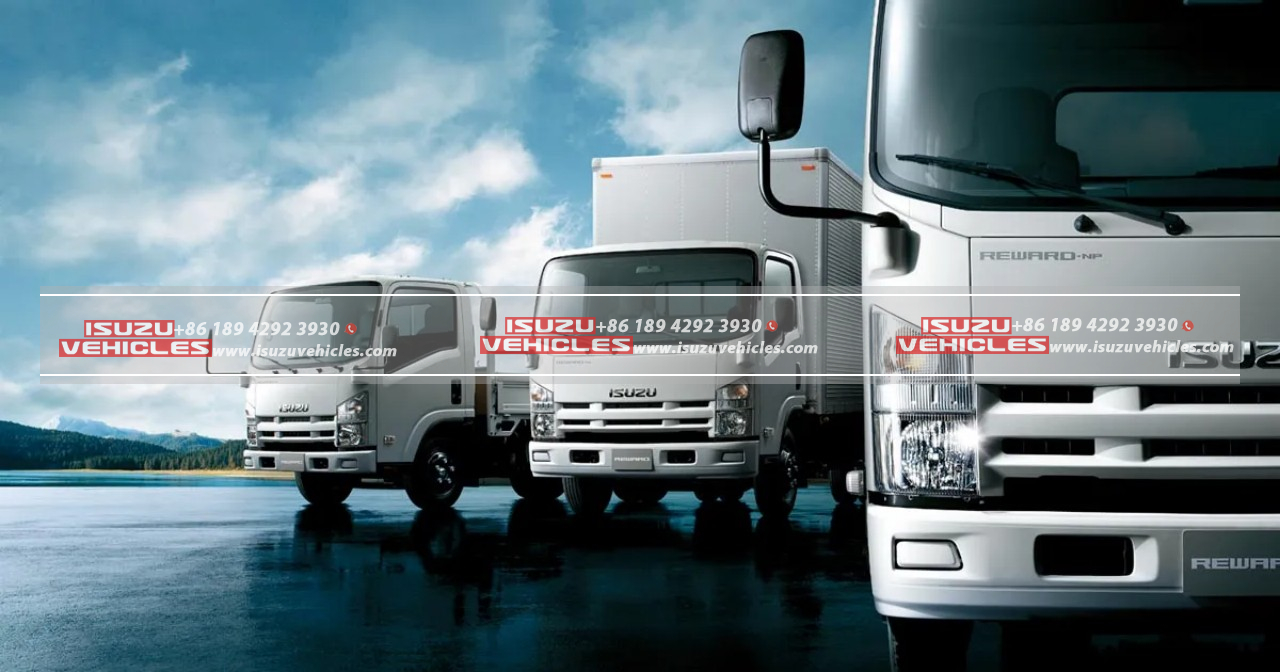
Thailand’s logistics sector is experiencing a remarkable transformation, driven by advancements in transportation technology and infrastructure. Among the key players facilitating this change are ISUZU trucks. Renowned for their reliability, efficiency, and innovation, ISUZU trucks are revolutionizing the logistics industry in Thailand. This article explores the impact of ISUZU trucks on logistics in Thailand, divided […]
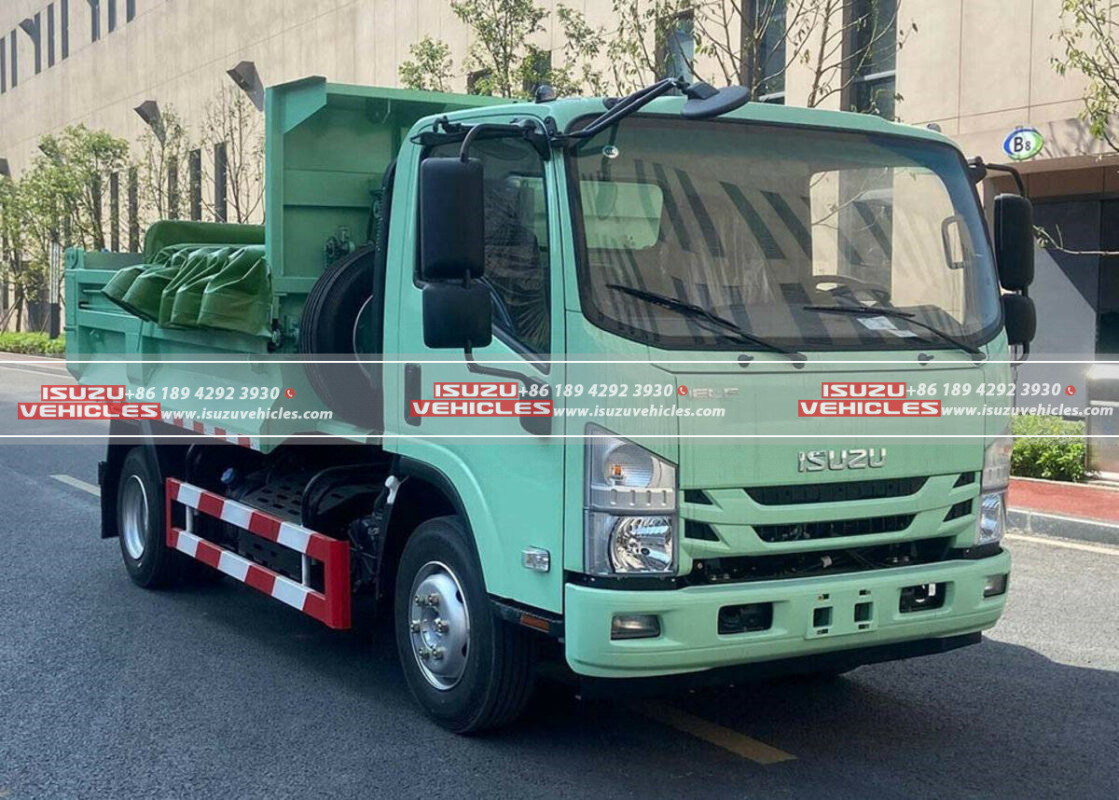
The Isuzu 5.2-liter dump truck with a U-shaped box is a robust and versatile vehicle designed to meet the demands of various industries, including construction, landscaping, and waste management. With its powerful engine, efficient design, and substantial load capacity, this truck is engineered to deliver reliable performance, making it a valuable asset for businesses that […]
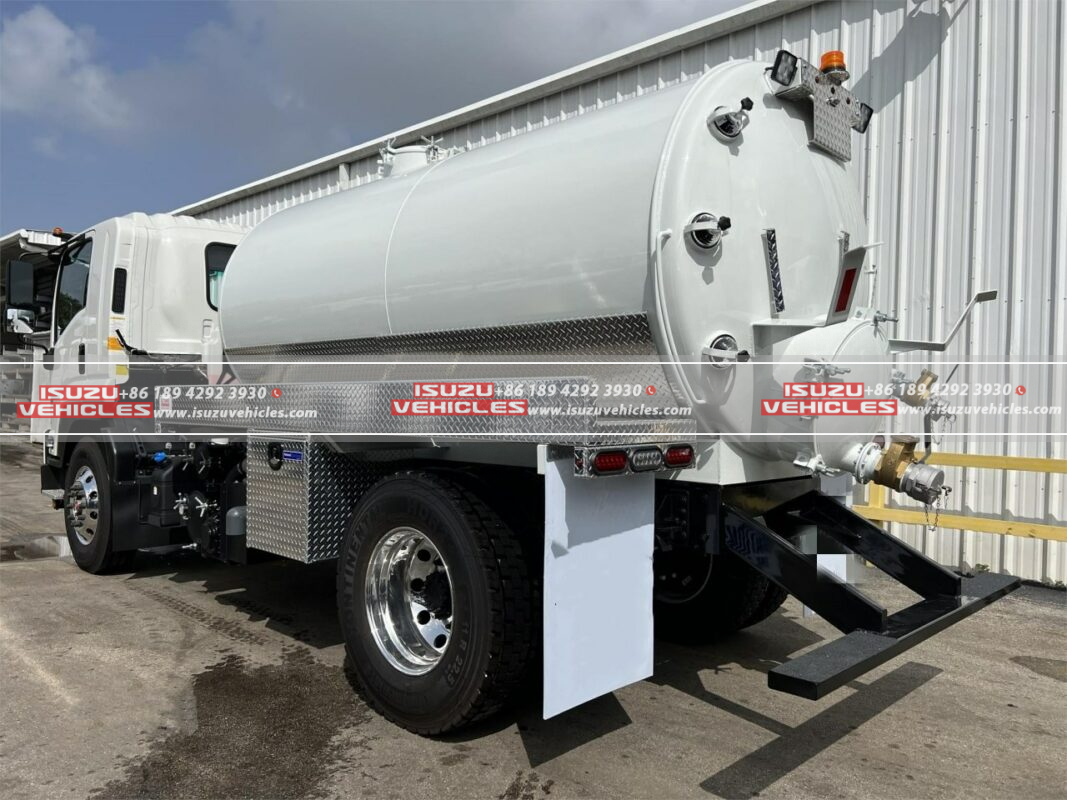
The Operational Philosophy of Longevity The ISUZU tank truck represents a pinnacle of fluid logistics engineering, where operational lifespan directly correlates with meticulous maintenance discipline. Unlike standard freight carriers, these specialized vehicles endure unique stressors—from hydrodynamic load surges during sudden braking to electrochemical corrosion in chemical transport applications. A 2024 American Tank Institute study revealed that ISUZU-based tankers maintained 37% longer […]
ISUZU Truck Knowledge
What Techniques Improve Efficiency in Waste Handling with ISUZU Garbage Trucks?

Municipal waste handling is a complex process that demands both robust vehicles and refined operational techniques to ensure that communities remain clean and environmentally sustainable, and ISUZU garbage trucks are at the forefront of this effort, offering advanced engineering and specialized systems designed to collect, compact, and transport waste efficiently; by incorporating strategic approaches that […]
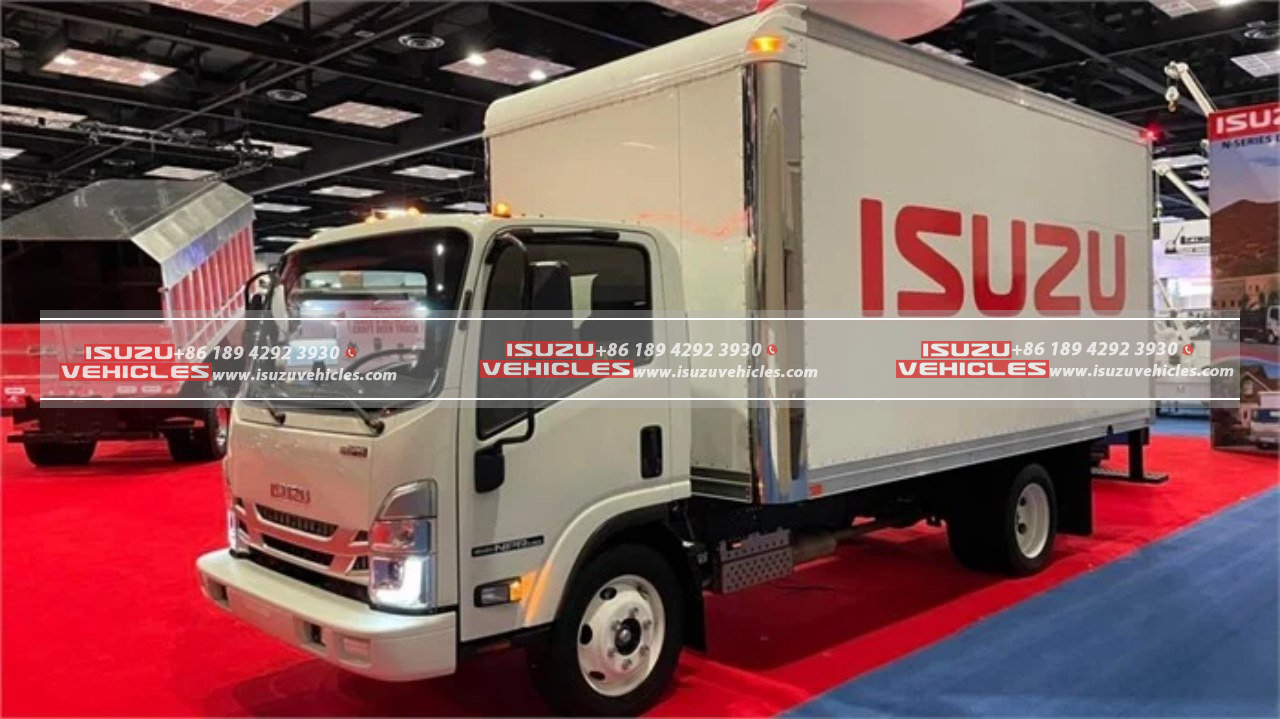
Part 1: Introduction to the All-Electric N-Series ISUZU China has recently made headlines with the unveiling of its all-electric N-Series trucks, marking a significant milestone in the realm of green transportation. Known for their reliability and efficiency, ISUZU trucks have long been a staple in various industries. The introduction of an all-electric version underscores ISUZU’s […]
ISUZU Truck Knowledge
What Are the Best Practices for Operating ISUZU Sweeper Trucks for Optimal Results?
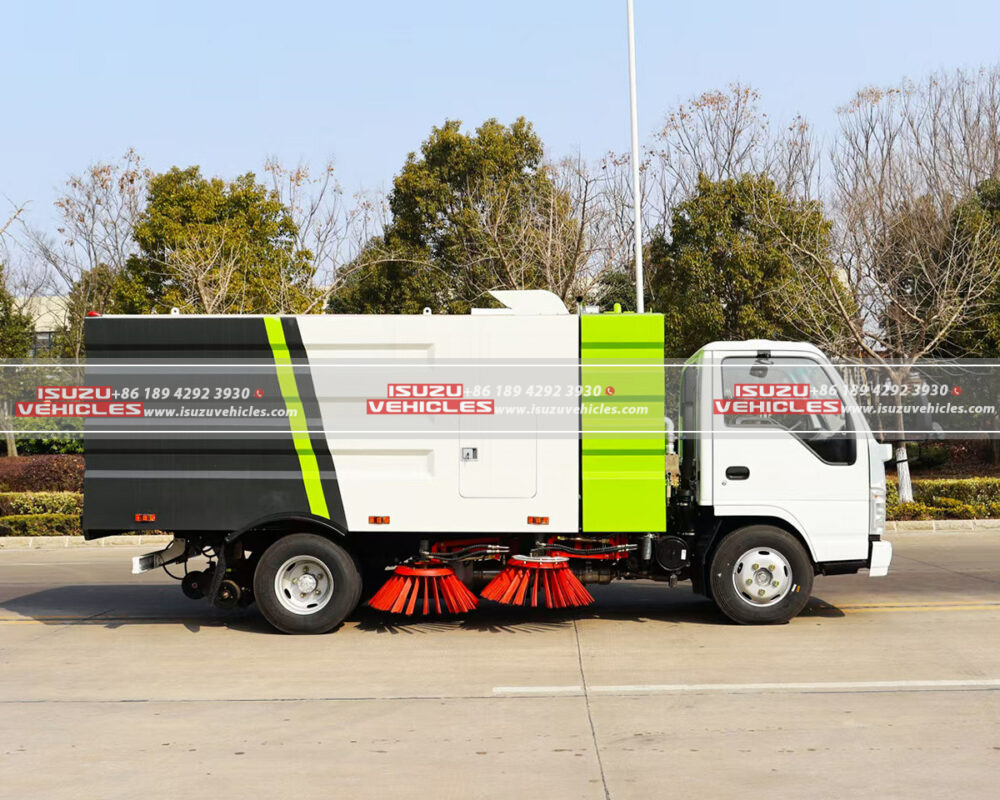
Municipal service teams and private operators alike have come to rely on ISUZU sweeper trucks to keep urban environments pristine and streets safe, and when operated with careful attention to best practices, these machines provide exceptional performance and durability that not only complements the work of complementary vehicles such as the ISUZU vacuum truck and […]
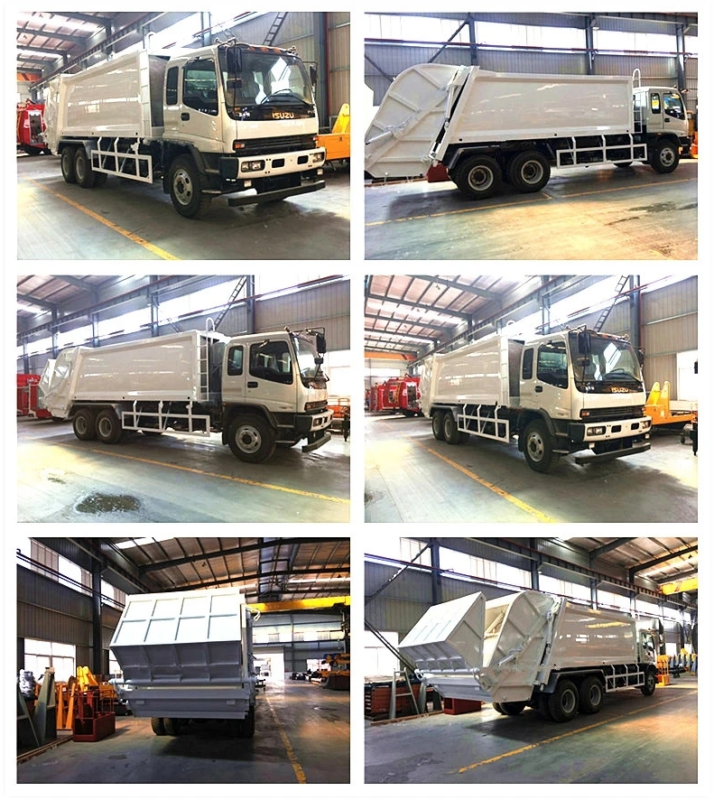
Strategic Partnership Yields Large-Scale Deployment A landmark agreement between SaverOne Systems Ltd. and Isuzu Motors has culminated in the operational deployment of 40 advanced driver safety systems across key fleet operators, including Israel’s second-largest logistics conglomerate. This implementation represents the most significant adoption of SaverOne’s distraction prevention technology in commercial vehicles to date, specifically engineered for Isuzu’s rugged vocational platforms […]
Filling the Void in the Class 5 Landscape The reintroduction of Isuzu’s 6.6-liter gasoline-powered truck marks a deliberate counterpoint to the industry’s overwhelming diesel focus, addressing critical gaps in the 19,501–26,000 lb GVWR segment where operational economics increasingly favor alternative fuels. This strategic revival responds to verified fleet data showing 26% of Class 5 operators overspec into diesel-powered Class […]
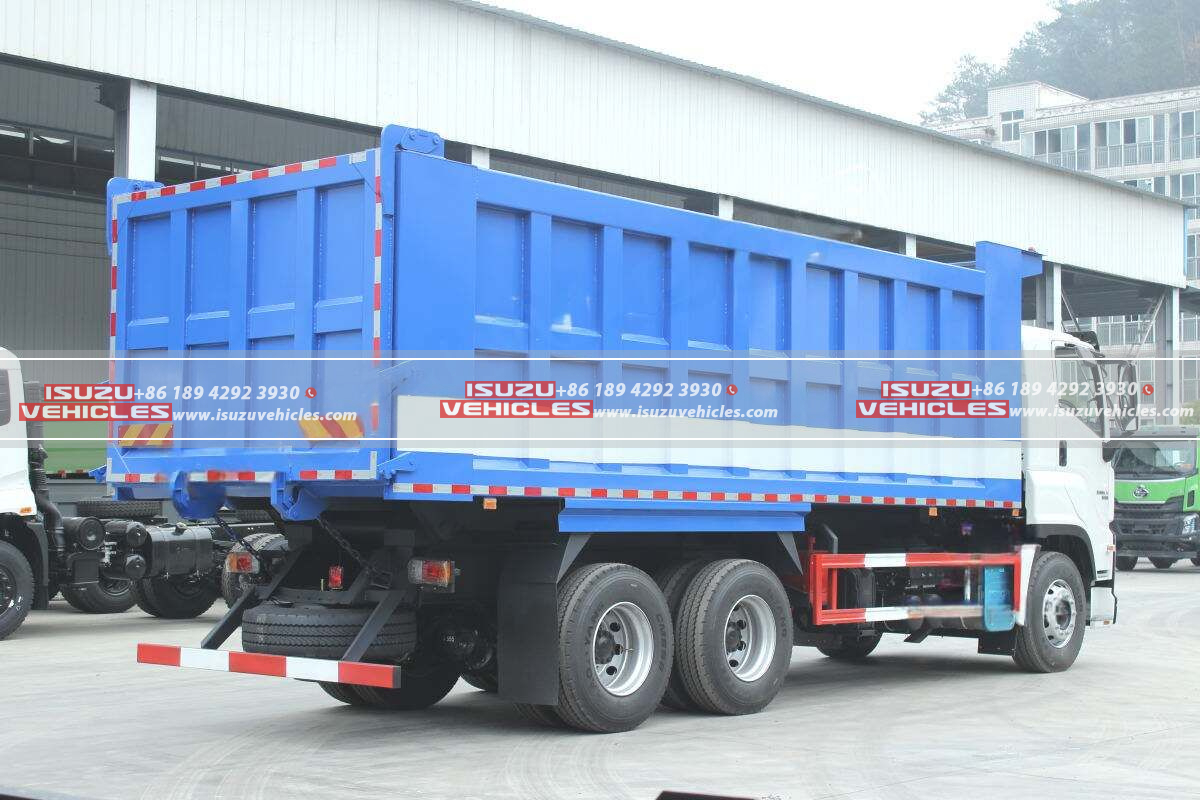
The Demanding Reality of Dump Truck Operations ISUZU dump trucks endure uniquely punishing operational environments—from quarry vibration cycles exceeding 7Hz to thermal stresses during asphalt hauling where bed temperatures reach 160°C. Unlike conventional ISUZU cargo trucks, these vehicles suffer structural fatigue at 3.8× the industry average due to constant loading/unloading cycles, with hinge points experiencing forces up to 32 […]
ISUZU Truck Introduction, ISUZU Truck Knowledge
ISUZU Refrigerated Truck: Maintenance for Safe Temperature Control
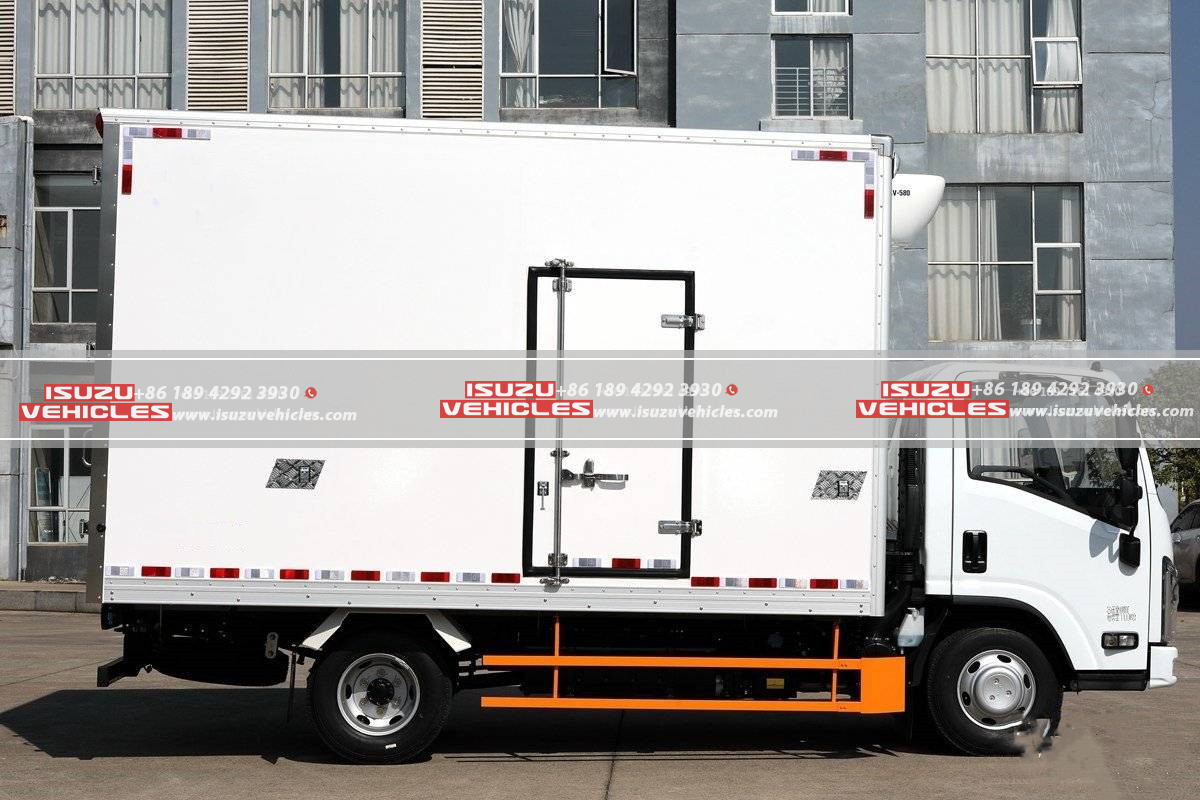
The Criticality of Thermal Stability in Transport Maintaining precise temperature control in ISUZU refrigerated trucks transcends operational convenience—it’s a fundamental requirement for pharmaceutical integrity, food safety compliance, and chemical stability. Modern cold chain logistics demand tolerance bands as narrow as ±0.5°C for biologics and ±1.5°C for premium frozen goods, placing extraordinary pressure on refrigeration systems operating in environments ranging from Dubai’s […]