
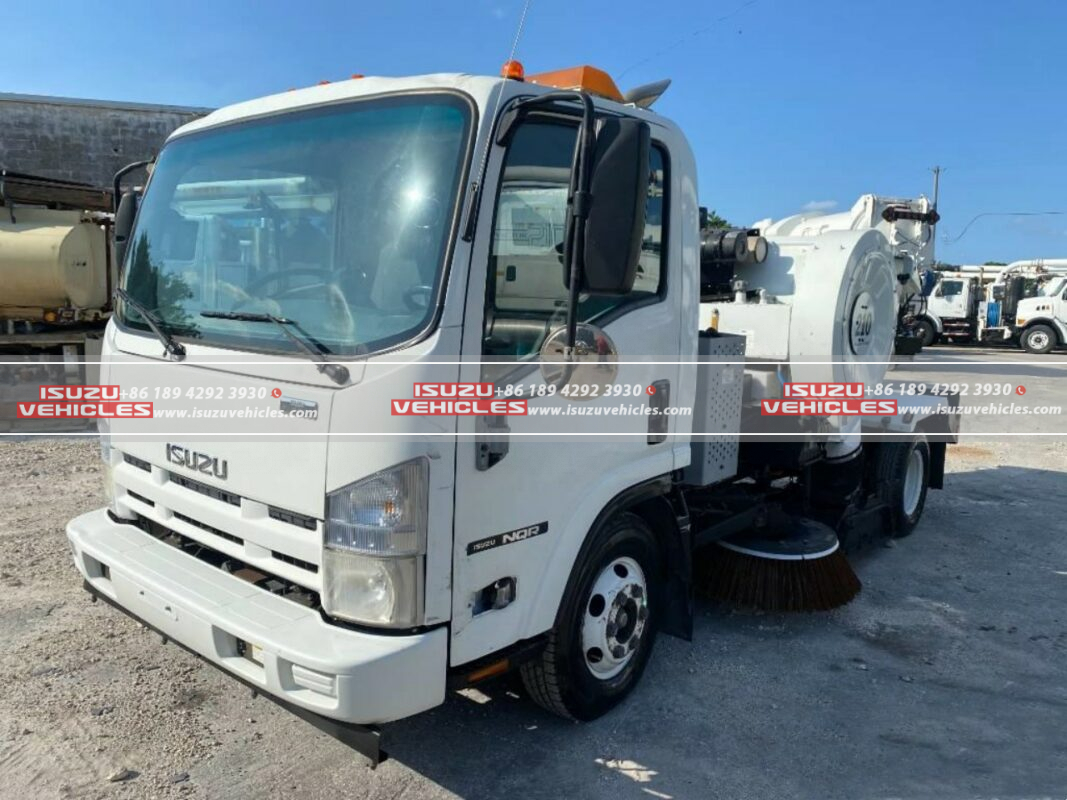
In a landmark initiative to elevate public health and environmental stewardship, Qatar has integrated a cutting-edge fleet of ISUZU sweeper trucks into its municipal operations, marking a quantum leap in urban cleanliness, dust pollution control, and smart city infrastructure. This transformative project springs from a pioneering contract between ISUZU Vehicles and Qatar’s foremost local big company with extensive civic management expertise, targeting high-traffic zones from Doha’s Corniche to industrial hubs in Ras Laffan. Engineered to combat the unique challenges of desert urbanization—including sand accumulation, construction debris, and airborne particulate matter—these vehicles deploy AI-guided sweeping systems that capture 98% of PM2.5 pollutants, aligning with Qatar National Vision 2030’s sustainability pillars while enhancing residents’ quality of life through spotless streets and reduced respiratory health risks.
Engineering Precision: Adaptive Technology for Desert Urbanization
The ISUZU sweeper trucks feature revolutionary designs optimized for Qatar’s harsh arid climate and rapid urban expansion, combining militarized-grade chassis with intelligent debris management systems. Each unit integrates dual-function vacuum-brush mechanisms, real-time air quality sensors, and 15,000-liter contaminant-sealed hoppers, while predictive AI algorithms map optimal routes based on traffic patterns, weather data, and pollution hotspots. Key innovations include:
Intelligent Debris Recognition & Resource Optimization
Advanced LiDAR-guided systems differentiate sand, microplastics, and construction waste, adjusting suction power and brush rotation dynamically to conserve water and energy. Solar-assisted batteries extend operational range by 40%, and multi-stage HEPA filtration captures 0.3-micron particles—preventing resuspension of hazardous dust during cleaning cycles.
Extreme Climate Resilience
Thermal-shielded hydraulic systems operate reliably in 50°C heat, while sand-proofed electronics and corrosion-resistant spray nozzles withstand saline coastal conditions. Low-noise operation complies with nighttime residential standards, and rapid-dump mechanisms enable 5-minute waste transfers at processing facilities, maximizing fleet utilization during sandstorms or major public events.
Catalyzing Public Health and Aesthetic Transformation
Qatar’s sweeper truck deployment is already redefining urban livability, slashing ambient dust pollution by 60% in pilot districts and eliminating 85% of visible litter along arterial corridors. Reduced particulate levels correlate with declining asthma emergencies in children and seniors, while cleaner streets boost retail footfall and tourism appeal in heritage areas like Souq Waqif. Beyond immediate benefits, the technology supports water conservation through dry-sweeping modes and enables data-driven waste audits for circular economy initiatives—turning municipal cleaning from a cost center into an intelligence-driven pillar of sustainable governance.
Strategic Partnership: Localizing Global Innovation for Impact
The initiative’s efficacy stems from the synergistic contract between ISUZU Vehicles and Qatar’s elite local big company, which orchestrates fleet maintenance, AI software customization, and operator training programs. The local partner leverages its municipal networks to prioritize zones vulnerable to sand drifts or event-driven waste surges, while ISUZU engineers conduct virtual reality simulations for complex scenarios like FIFA event cleanups. This knowledge codification empowers Qatari technicians to manage predictive maintenance autonomously, transforming imported technology into enduring national capability that adapts to evolving urban challenges.
Future Horizons: Integrated Waste Ecosystem Development
Building on the sweeper trucks’ success, ISUZU Vehicles and the local big company are expanding collaborations to deploy complementary waste management solutions. Next-phase rollouts include the high-capacity ISUZU garbage truck for automated segregated collection in residential compounds, alongside the rugged ISUZU dump truck for transporting recyclables to Qatar’s mega-recycling plants. Together, these vehicles will form a closed-loop urban hygiene network—synergizing street cleaning, waste transport, and material recovery to accelerate Qatar’s transition toward zero-landfill cities and global leadership in desert urban sustainability.