
1. The Evolution of Fleet Management: Telematics as a Compliance Catalyst
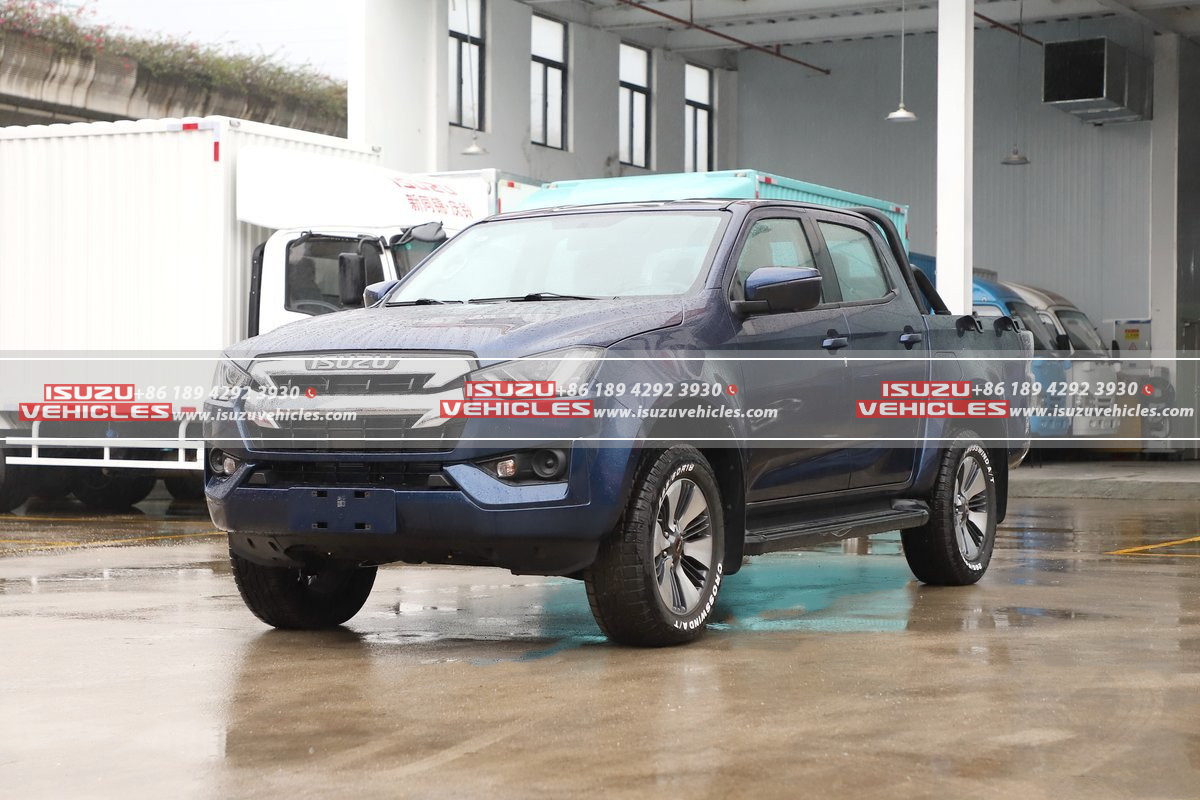
The transportation industry’s shift toward telematics integration has redefined how fleets approach regulatory compliance, particularly for the International Fuel Tax Agreement (IFTA). By 2025, over 78% of commercial fleets in North America leverage telematics to automate mileage and fuel tracking, reducing manual errors by 42%. For ISUZU, a pioneer in commercial vehicle innovation, embedding advanced telematics systems into models like the ISUZU Dump Truck and ISUZU Pickup has positioned its fleet solutions at the intersection of operational efficiency and tax compliance.
This integration addresses a critical pain point: IFTA requires carriers to report jurisdictional mileage and fuel purchases across U.S. states and Canadian provinces. Traditional methods—paper logs, spreadsheets, and manual GPS reviews—are error-prone and time-intensive. ISUZU’s telematics platforms automate this workflow, transforming raw vehicle data into audit-ready reports while aligning with evolving emission standards and sustainability mandates.
2. ISUZU’s Telematics Architecture: Precision Engineered for IFTA Workflows
2.1 Core Components of ISUZU’s Data Ecosystem
ISUZU’s telematics framework combines onboard diagnostics (OBD-II), GPS tracking, and cloud-based analytics to capture four critical data streams:
- Geolocation Data: Real-time GPS coordinates map vehicle routes to state/provincial boundaries, essential for jurisdictional mileage allocation.
- Fuel Consumption Metrics: Direct integration with fuel sensors and engine control units (ECUs) ensures accurate fuel-use tracking, even for hybrid or diesel-powered ISUZU Dump Trucks.
- Idling Time Analytics: Over 18% of fuel waste in heavy-duty vehicles stems from unnecessary idling—a cost factor ISUZU’s systems flag for driver coaching.
- Vehicle Health Data: Engine performance metrics preempt maintenance issues that could distort fuel efficiency calculations.
2.2 Customization for Diverse Fleet Profiles
ISUZU tailors telematics outputs to fleet size and vehicle type. For instance, the ISUZU Pickup, often deployed in last-mile delivery or utility services, generates shorter, urban-centric routes requiring granular data on stop-and-go fuel usage. Conversely, long-haul ISUZU Dump Trucks prioritize interstate mileage accuracy and load-specific fuel economy adjustments. This adaptability minimizes discrepancies in IFTA filings, where a single jurisdictional misclassification can trigger audits.
3. From Raw Data to IFTA Compliance: How the Integration Works
The process begins when an ISUZU vehicle’s telematics hardware encrypts and transmits data to a centralized platform. Machine learning algorithms then:
- Classify Jurisdictional Boundaries: By cross-referencing GPS coordinates with digital maps updated for annual tax-rule changes.
- Calculate Taxable Gallons per Mile (GPM): Using fuel-efficiency ratios adjusted for terrain, payload weight, and engine type.
- Generate Audit Trails: Timestamped logs of fuel purchases (linked to geolocation) and odometer readings create an unbroken compliance chain.
For example, a construction company operating ISUZU Dump Trucks across Texas and Oklahoma receives automated reports distinguishing between taxable fuel consumed in each state. This precision is critical: IFTA penalties for underpayment average 12% of owed taxes, plus administrative fines.
4. Overcoming Industry Challenges: ISUZU’s Edge in Data Accuracy
4.1 Eliminating Human Error in Mileage Logs
Driver-entered odometer readings historically caused 34% of IFTA reporting errors. ISUZU’s systems bypass manual inputs by pulling data directly from the vehicle’s ECM (Engine Control Module), ensuring readings align with actual engine runtime and movement.
4.2 Cybersecurity and Data Integrity
With cyberattacks on telematics systems rising 67% since 2023, ISUZU employs blockchain-style encryption for all IFTA-critical data. Each mileage entry is hashed and timestamped, making post-ait alterations computationally impossible—a feature praised in the 2024 American Trucking Associations’ Security Benchmark.
5. Real-World Applications: ISUZU Models Driving Compliance Success
Case Study 1: ISUZU Dump Trucks in Multi-State Construction Fleets
A Midwest earthmoving contractor reduced IFTA preparation time by 60 hours monthly after adopting ISUZU’s telematics. The system’s terrain-adjustment algorithms accounted for hilly routes in Colorado versus flat Kansas highways, refining fuel-use accuracy by 19%. Additionally, automated idling reports cut annual fuel costs by $8,200 per truck.
Case Study 2: ISUZU Pickups for Utility Service Providers
A Georgia-based utility company, utilizing ISUZU Pickups, eliminated tax penalties by automating jurisdiction tracking for its 150-vehicle fleet. The Pickup’s compact telematics unit provided lane-level GPS precision, crucial for urban areas where drivers crossed city-county boundaries multiple times daily.
6. The Road Ahead: Telematics as a Strategic Asset Beyond IFTA
While IFTA compliance remains a cornerstone, ISUZU’s telematics ecosystems are evolving into holistic management tools. Future iterations will likely incorporate:
- Predictive Tax Liability Modeling: Using historical route data to forecast quarterly IFTA payments.
- Integration with Electric Vehicles (EVs): As the ISUZU Dump Truck line expands into hybrid models, telematics will track electricity consumption alongside diesel use for dual-fuel tax apportionment.
- AI-Driven Route Optimization: Recommending fuel-tax-efficient routes that minimize high-tax jurisdictions without compromising delivery times.
For fleets, this progression transforms telematics from a compliance checkbox to a strategic differentiator. The ISUZU Pickup, with its agility in urban settings, and the heavy-duty ISUZU Dump Truck, engineered for taxing terrains, exemplify how vehicle-specific data integration fosters both regulatory adherence and profitability. As the industry gravitates toward API-driven tax reporting platforms, ISUZU’s open architecture ensures seamless compatibility—a future-proof investment for fleets navigating the complexities of 2025 and beyond.