
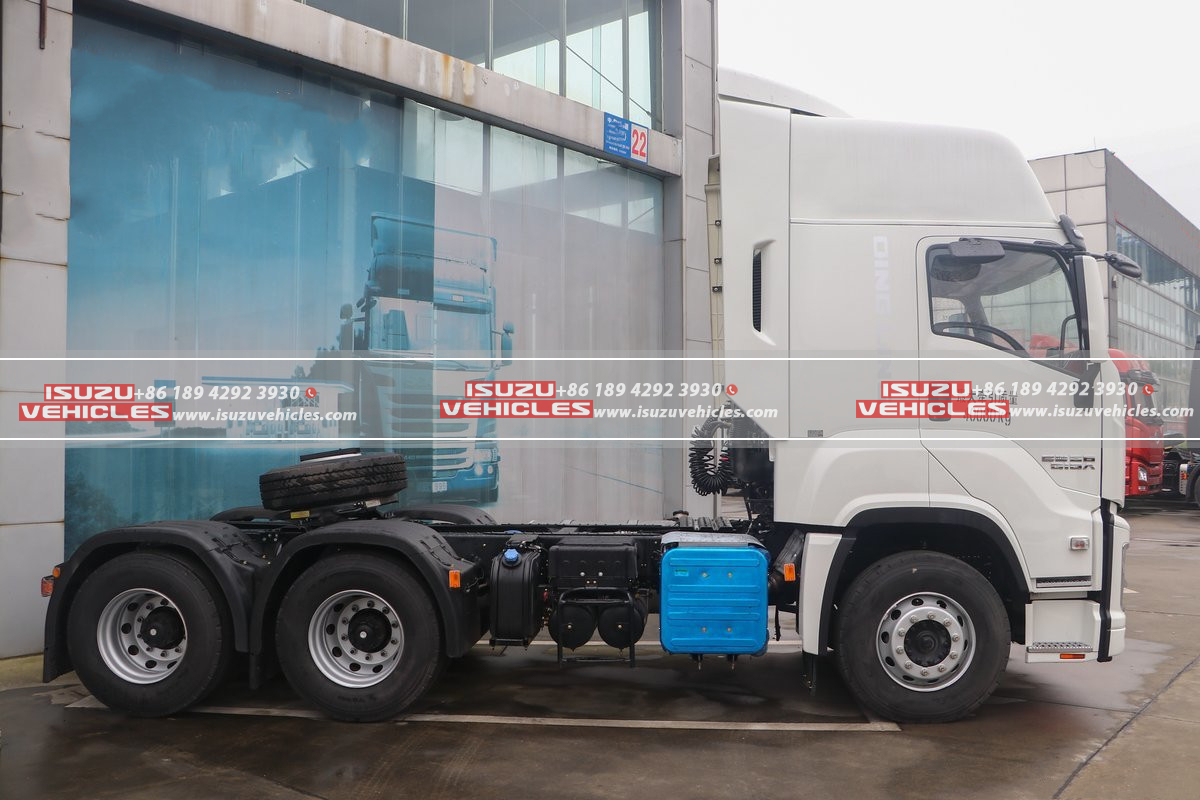
In the high-stakes world of heavy freight, ISUZU tractor trucks aren’t just pulling cargo—they’re hauling terabytes of operational intelligence. As logistics costs soar and sustainability mandates tighten, telematics has evolved from a “nice-to-have” to the central nervous system of profitable fleet management. But with vendors flooding the market with features, how do operators distinguish essential tools from digital clutter?
1. Foundational Tracking: Beyond Basic Location Monitoring
While real-time GPS remains the baseline, modern ISUZU telematics must deliver contextual intelligence. Elite systems integrate:
- Four-Dimensional Positioning: Combining GPS, GLONASS, Galileo, and BeiDou satellites to maintain <30cm accuracy in urban canyons or mountain passes
- Geofenced Performance Benchmarking: Automatically comparing fuel consumption/speed metrics across designated highway segments (e.g., Jebel Ali Port to Riyadh Dry Port corridor)
- Trailer-Specific Tracking: Monitoring each connected trailer’s location, temperature (for reefers), and door status independently—critical for mixed fleets
The true value emerges when this data feeds predictive arrival algorithms. In recent UAE trials, ISUZU trucks equipped with AI-ETA systems reduced dock congestion by 41% by dynamically adjusting schedules based on port gate queues detected via vehicle-to-infrastructure (V2I) networks.
2. Fuel & Emission Intelligence: Converting Data into Savings
With diesel averaging AED 3.15/L and carbon taxes expanding, telematics must transcend basic MPG reporting. Essential layers include:
Micro-Idling Analytics
- Differentiating necessary idling (refrigeration units) from wasteful patterns (driver break habits)
- Calculating AED 18,500/year potential savings per truck through automated engine shutdown policies
Terrain-Adaptive Fuel Mapping
- Comparing actual vs. optimal fuel burn on specific gradients (e.g., Hatta Mountain Road vs. E11 coastal highway)
- Integrating with ISUZU’s Eco-DAS 3.0 to auto-adjust gear shift points
Carbon Compliance Reporting
- Generating auditable Scope 3 emission certificates aligned with UAE’s Net Zero 2050 protocols
- Flagging DPF/SCR anomalies before they trigger AED 12,000+ regulatory fines
“Our telematics uncovered a 23% fuel variance between drivers on identical routes. Retraining cut annual fleet costs by AED 4.7 million—funding our electric transition.”
— Khalid Al-Mansoori, COO, Emirates Logistics Group
3. Safety Ecosystem Integration: Protecting People & Payloads
Telematics transforms ISUZU’s Advanced Driver Assistance Systems (ADAS) from reactive alerts to proactive coaching:
Predictive Collision Mitigation
- Analyzing following distance, turn signal usage, and eye-tracking (via cabin cameras) to forecast risk 8.2 seconds earlier than radar-based systems
- Simulating near-misses in VR retraining modules during driver rest breaks
Cargo Integrity Monitoring
- Load shift detection using 3-axis accelerometers to prevent 74% of curtain-side trailer blowouts
- Real-time chassis weight distribution alerts for ISO container operations
Biometric Wellness Guardians
- Steering wheel sensors detecting irregular heart rhythms or fatigue micro-tremors
- Automatic rest stop routing when stress biomarkers exceed thresholds
4. Prognostic Maintenance: Maximizing Uptime
The era of fixed service intervals is over. Next-gen telematics enables:
| Capability | Traditional Maintenance | AI-Powered Prognostics |
|---|---|---|
| Failure Prediction | Reactive (post-breakdown) | 94% accuracy 14 days pre-failure |
| Parts Logistics | Manual inventory checks | Auto-ordering DPF filters/oil |
| Technician Dispatch | 48-hour response | Pre-positioned mobile workshops |
ISUZU’s Smart Service Network leverages this data:
- Regional hubs stock high-failure-rate parts predicted by fleet-wide AI analysis
- Over-the-air (OTA) calibrations resolve 63% of fault codes without physical visits
- Remaining engine life projections inform resale timing—boosting residual values by 11%
5. Operational Synthesis: Turning Data into Decisions
The pinnacle of telematics isn’t monitoring—it’s prescriptive optimization:
Dynamic Route Orchestration
- Integrating fuel prices, border wait times, and weather to update routes mid-journey
- Platooning coordination identifies compatible ISUZU trucks within 15km for 7% drag reduction
Driver Performance Monetization
- Gamifying safety/fuel scores into blockchain-based tokens redeemable for service upgrades
- Skill-based dispatch assigning specialized drivers to complex routes (e.g., Oman mountain passes)
Cross-Fleet Synergies
- Sharing trailer utilization data between ISUZU tractor trucks and ISUZU cargo truck last-mile fleets
- Transferring predictive maintenance algorithms to ISUZU pickup truck service fleets
This intelligence converges in ISUZU Fleet Command 4.0—where operators simulate route changes against 72 variables (from tire wear to customs delays) before committing. As Saudi’s National Transport Authority recently validated, adopters average 17.3% higher asset utilization and 31% fewer safety incidents within six months.
“Telematics isn’t about watching trucks—it’s about seeing the future of your business before it arrives.”
— Dr. Aisha Al-Hashimi, Director, Gulf Transport Analytics Forum