

SCR catalyst blockage is a widespread issue. Due to the harsh operating environment and the chemical reduction characteristics of SCR catalysts, various failures can occur during use. For instance, engine power loss, stalling, startup difficulties, or excessive emissions caused by SCR catalyst blockage may interfere with fault diagnosis. Severe blockage can cause the exhaust pipe to glow red and even lead to vehicle fires.

I. Stages of SCR Catalyst Blockage

- Mild Blockage Stage
Chemical complexes and carbon deposits adsorb onto the catalyst surface, reducing exhaust purification efficiency and causing emissions to exceed standards. - Moderate Blockage Stage
Accumulated chemical complexes and carbon deposits increase exhaust backpressure, leading to higher fuel consumption and reduced power.
- Severe Blockage Stage
Extreme blockage elevates the SCR catalyst’s operating temperature, forming high-temperature sintered blockages at its front end. - High-Temperature Sintered Blockage Stage
- Type 1: Chemical compound sintering.
- Type 2: Carbon deposit coking.
Symptoms include severe power loss, frequent stalling, glowing exhaust pipes, and potential vehicle fires.


II. Eight Causes of SCR Catalyst Blockage

1. High-Temperature Deactivation
Prolonged exposure to high temperatures reduces the oxygen storage capacity of oxidation promoters and catalyst activity. SCR catalysts operate optimally within a specific temperature range; exceeding this threshold melts or decomposes the catalyst.
Causes of Overheating:
- (A) Engine misfires causing unburned mixtures to combust in the catalyst.
- (B) Continuous high-speed, high-load operation.
- (C) Sudden braking/deceleration.
- (D) Extended idling (>10 minutes).
- (E) Ignition-off coasting.
- (F) Overly rich fuel mixtures.

2. Chemical Poisoning
Noble metal catalysts adsorb sulfur, phosphorus, CO, unburned hydrocarbons, lead, and manganese. These elements form carbon deposits that block the catalyst, deactivating it (“poisoning”).
Poison Sources:
- Manganese/lead from fuel/oil additives.
- CO from incomplete combustion.
- Sulfur in diesel forming chemical complexes.
Note: Lead/manganese poisoning is irreversible; sulfur/phosphorus/CO poisoning may be reversible.

3. Carbon Deposit Blockage
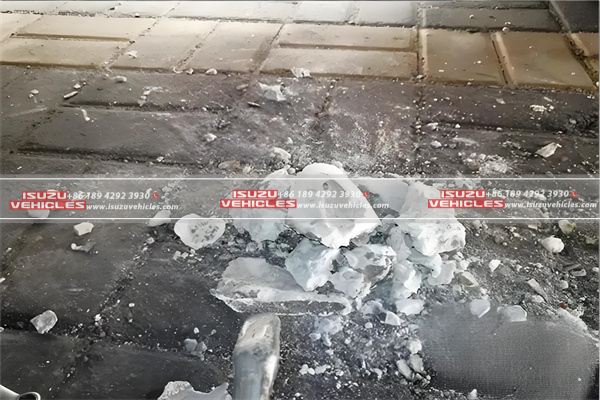
Carbon deposits (comprising C, H, S, N, O, and heavy metals) coat the catalyst surface, causing reversible blockage. This is a primary cause of SCR failure in diesel engines.
Common Blockage Forms:
- (A) Gum/carbon sintering.
- (B) Sulfur-carbon complex sintering.
- (C) Lead/manganese metal deposition.
- (D) Melted catalyst due to misfires.
- (E) Sealant degradation from misfires.
4. Driving Conditions
Frequent acceleration/deceleration in congested traffic generates excessive unburned residues, accelerating blockage.
5. Improper Maintenance
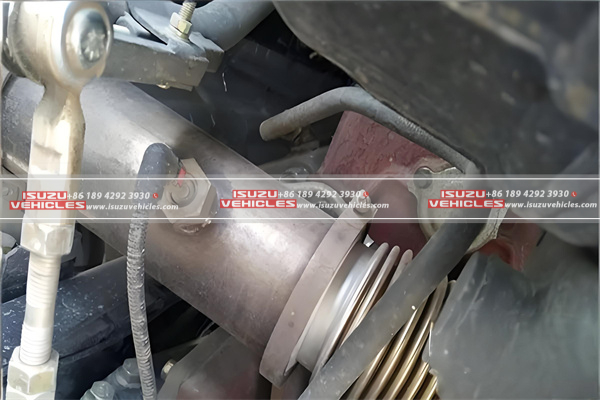
“Non-disassembly” cleaning methods may dislodge large carbon deposits, blocking the catalyst and increasing fuel consumption.

6. Physical Impact
Ceramic/metal catalyst substrates can fracture from collisions or undercarriage scraping. Fragments obstruct exhaust flow, causing power loss. Engine backflow may pull ceramic dust into cylinders, causing severe wear.
7. Fuel System Failures
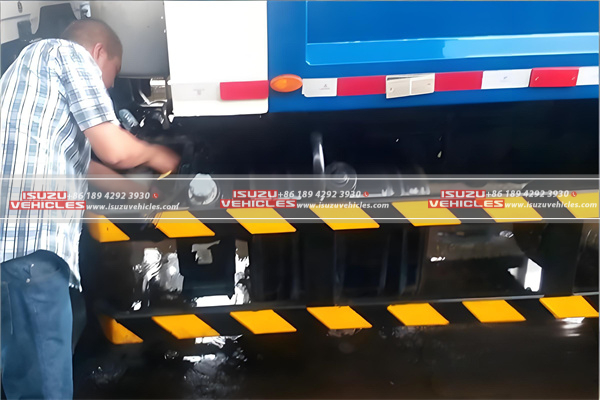
- Faulty fuel pressure regulation (too high/low).
- Lack of cylinder cut-off during misfires in older engines.
Warning: Never push-start the engine—excess fuel floods the SCR system.
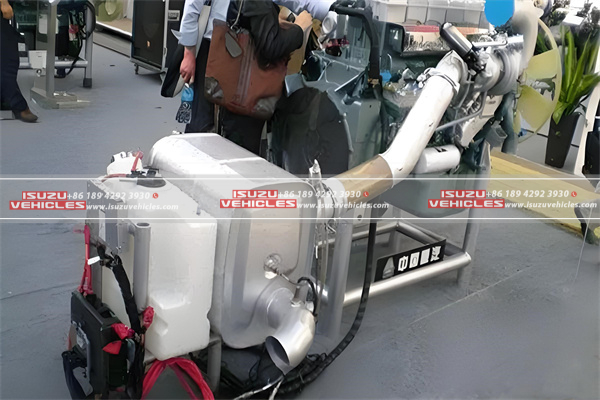
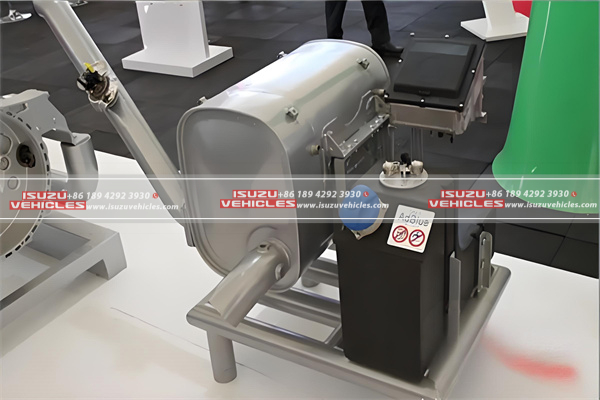
8. Aftertreatment System Faults
- Urea pump/dosage issues.
- Clogged/damaged urea injectors.
- Substandard urea quality.
- Exhaust pipe leaks.
These cause poor urea atomization, leading to crystallization on pipe walls. Crystals reduce catalytic efficiency and trigger power loss.
